
Roofing sheets give you a lightweight, highly durable covering that can last several decades when installed correctly and maintained well. This guide explains the main types of roofing sheets, how profiles affect span and minimum pitch, what coatings and accessories matter, and which options suit Australian conditions from coastal areas to rainy climates.
What are the different types of roofing sheets?
The common types of roofing sheets in Australia are metal, polycarbonate, PVC and fibre cement. Each roofing material has different strength, durability and light transmission.
- Metal roofing sheets: steel or aluminium with protective coating systems. Ideal for long spans, sheds, homes and commercial applications.
- Polycarbonate roofing sheets: clear or tinted plastic roofing sheets for patios and daylighting with high impact resistance.
- PVC roofing: light plastic sheets for low cost canopies in light duty situations.
- Fibre cement: rigid, non combustible boards that dampen sound and suit fire risk zones.
What is the difference between metal, polycarbonate, PVC and fibre cement sheets
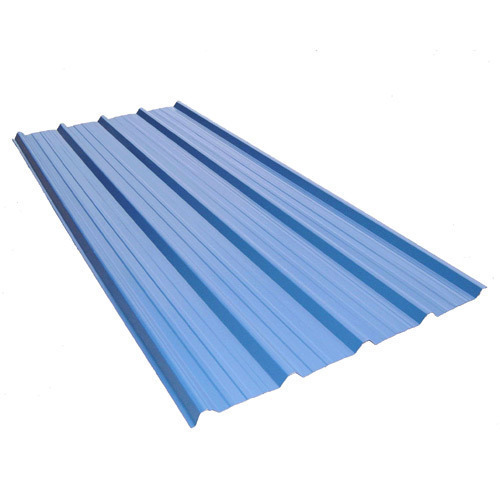
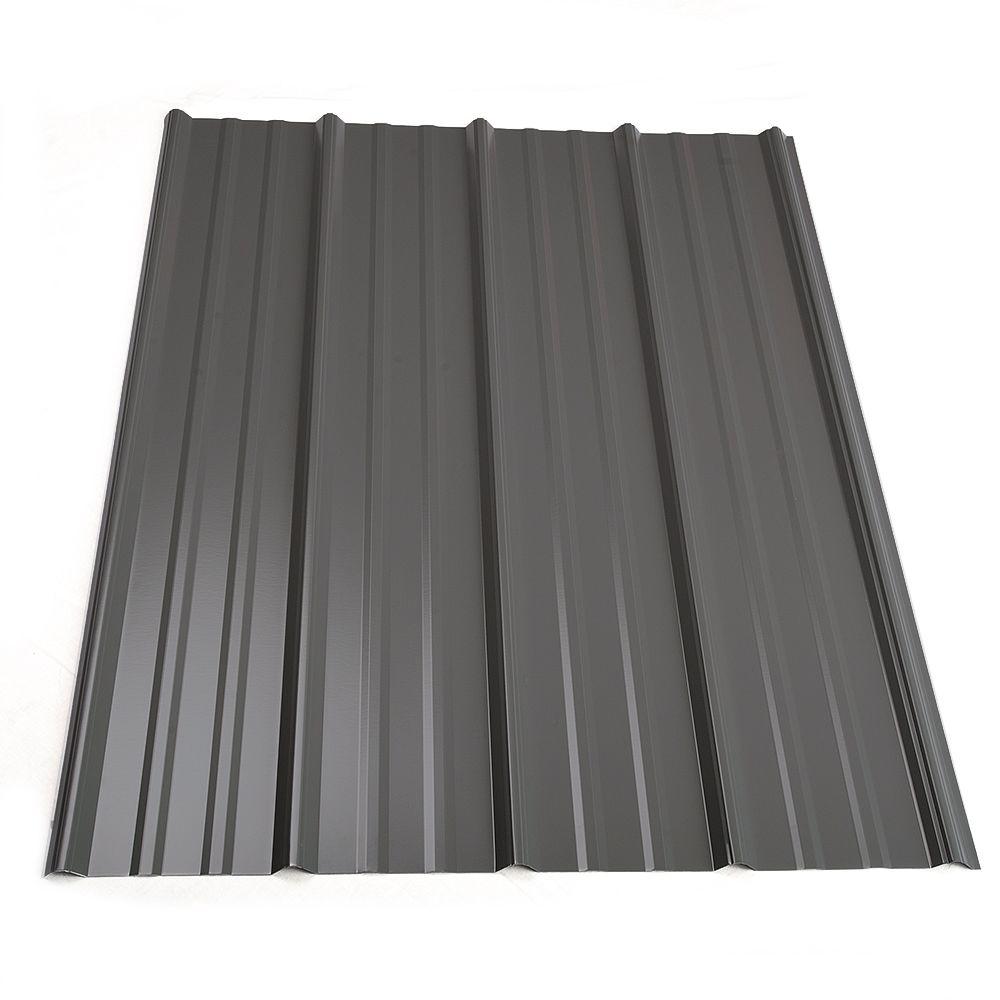
- Metal: structural, extremely durable, and available in many roof sheet profiles and colours. Colorbond steel pairs an aluminium zinc substrate with a painted protective coating for harshest Australian conditions.
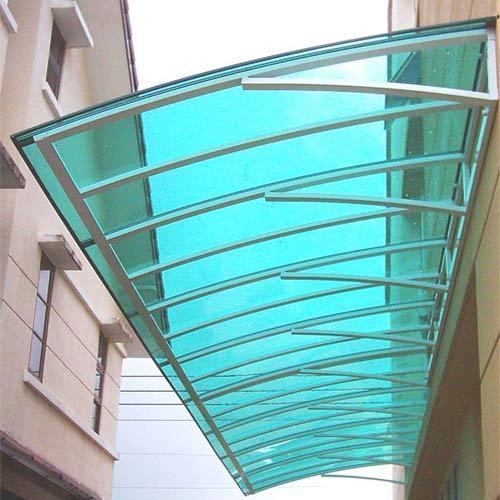
- Polycarbonate: clear or translucent, UV protected, and great for daylight. Best for verandas and walkways where you want light without leaks.
- PVC: low cost option with good corrosion resistance indoors, but lower UV stability than premium polycarbonate.
- Fibre cement: rigid, weather resistant, non combustible and quieter in heavy rain, though heavier and with shorter spans than steel roofing.
Consider lifespan, maintenance and UV stability for your site, plus compatibility with fasteners and adjacent metals.
What are the pros and cons of corrugated vs standing seam sheets
- Corrugated roofing sheets and trapezoidal ribs
Pros: budget friendly, easy to source, easy to fix, good strength to weight.
Cons: exposed screws, greater leak risk if you over tighten or miss purlins, higher minimum pitch than concealed fix profiles. - Standing seam and concealed fix metal sheets
Pros: clean contemporary lines with hidden fasteners, strong wind uplift resistance, better performance on low pitched roofs.
Cons: higher cost and needs trained installers.
Choose profile by wind region, pitch, aesthetics and budget.
What thicknesses do roofing sheets come in
- Metal roofing material: typical residential base metal thickness is 0.42 to 0.55 mm, with thicker gauges for cyclonic regions or long spans.
- Polycarbonate roofing: 0.8 to 2.6 mm depending on single skin or multiwall.
- PVC roofing: broadly 0.8 to 1.2 mm for light covers.
- Fibre cement: thickness varies by profile and span class.
Use the manufacturer span tables to match sheet thickness to purlin spacing and wind classification.
What profiles are common for sheet roofing
Australia uses corrugated, trapezoidal and ribbed sheets widely, plus standing seam for high end roofs. You will see branded metal profiles like Custom Orb, Spandek, Trimdek and Klip Lok. Profile height and rib spacing influence span, noise, thermal movement and curb appeal.
What are the typical applications for each sheet type
- Metal sheets: homes, sheds, wall cladding, warehouses, schools and retail. Corrugated roof styles suit traditional homes. Standing seam suits modern architecture.
- Polycarbonate sheets: patios, pergolas, carports, covered walkways, skylight bays on existing roofs.
- PVC roofing: small awnings and internal corrosion prone areas with light loading.
- Fibre cement: fire risk zones and acoustic areas that need a matte look and low maintenance.
How do clear and translucent roofing sheets work for daylighting
Polycarbonate roofing panels transmit about 60 to 90 percent of light depending on tint and thickness. They reduce daytime lighting loads and can help lower cooling costs when you choose heat rejecting tints. Mix solid metal bays with translucent bays to control glare. Allow for thermal expansion with slotted holes and oversize washers, and plan safe access for cleaning so dust and other materials do not reduce light.
What coatings are used on metal sheets
Metal roofing starts with a corrosion resistant substrate and then a painted finish.
- Substrates include galvanised and aluminium zinc coated steel.
- Colorbond steel adds a durable top coat with colourfast pigments.
- Marine or severe environment grades extend life in coastal areas.
- Protect cut edges, keep laps within the data sheet limits and avoid contact with incompatible chemicals or metals.
What accessories do roofing sheets require
A watertight sheet roof needs the right trims and fixings as well as the sheets.
- Flashings, ridge caps and barge caps to direct water.
- Compatible screws with bonded washers to seal fastener penetrations.
- Foam closures to seal ribs at eaves and ridges.
- Breathable sarking or membrane underlay to control condensation and wind driven rain.
- Expansion joints or slip details on long runs.
- Gutters and rainheads sized to local rainfall for reliable roof drainage.
How do roofing sheets handle noise, heat and condensation
Sheets can drum in rain and heat up in summer. Manage comfort and moisture with:
- Blanket insulation and acoustic upgrades under metal sheets
- Vapour permeable sarking to reduce condensation while letting the roof cavity dry
- Thermal breaks under battens for metal roofs
- Ventilation from eaves to ridge to move hot, stale air out of the roof space
- Light colours to reflect heat and keep the home cooler
Are roofing sheets suitable for coastal environments
Yes, with the right grade and detailing.
- Specify marine grade coated metals or approved stainless options near breaking surf.
- Use stainless fasteners and isolate dissimilar metals to avoid galvanic corrosion.
- Increase wash down and inspections.
- Confirm the supplier’s distance to coast limits for warranty coverage.
What are common sheet lengths and widths
Sheets are roll formed to order up to transport and handling limits. Always estimate coverage using the manufacturer cover width rather than overall width. Plan lengths to minimise end laps, and allow for thermal movement. In rainy climates, follow the lap, sealant and minimum pitch rules for the chosen profile.
How do roof pitch requirements differ by sheet type
- Concealed fix and standing seam work at lower angles than corrugated.
- Corrugated needs a higher pitch, especially on long runs.
- Translucent polycarbonate needs a minimum pitch to shed water and dirt.
Follow the data sheet for minimum pitch, and use correct laps and sealants where permitted on low pitched roofs.
What are fire ratings and code considerations for sheet roofing
Check BAL ratings in bushfire prone areas, wind classification for spans and fixing schedules, tie down requirements, and waterproofing rules for gutters and overflows. Always confirm compliance with local codes and relevant Australian Standards.
How do roofing sheets impact aesthetics and curb appeal
Profile height, rib rhythm and colour drive the look.
- Standing seam offers the cleanest modern planes.
- Corrugated and Spandek or Trimdek provide classic or contemporary patterns.
- Coordinate with fascia, gutters and cladding lines, and consider potential glare for neighbours.
What is fibre cement roofing vs asbestos cement
Modern fibre cement uses safe fibres and is suitable for new work. Old asbestos cement is hazardous. Do not disturb suspect sheets. Arrange testing and use licensed removal contractors and approved disposal if asbestos is confirmed.
What underlayments are used beneath roofing sheets
Use breathable sarking under metal and translucent roofs to manage wind driven rain and moisture. Tape laps where specified, keep drainage paths open and add blanket insulation where acoustic or thermal control is needed. Maintain airflow from eaves to ridge in ventilated designs.
Selecting the best roofing sheets for your project
- Match the material to the environment
Coastal or industrial sites need higher grade coatings. - Check span and wind tables
Profile depth and ribs set purlin spacing and fastener schedules. - Confirm minimum pitch
Choose a profile that works with your roof shape. - Detail for movement and water
Use correct flashings, closures, expansion joints and sarking. - Plan maintenance
Periodic cleaning and inspection deliver proper maintenance and a long lifespan.
Frequently Asked Questions
Conclusion
Choosing the right roofing sheets means balancing material, profile, pitch and detailing for your site. Metal roofing material in the correct profile and coating handles wide spans and the harshest Australian conditions, while polycarbonate delivers daylight where you need it. PVC suits light covers, and fibre cement brings fire safety and acoustic benefits. Match the sheet to your roof design, follow the installation data and maintain the system so it stays durable, watertight and good looking for years.

Adam has 28 years of roof tiling and restoration experience, he has been running Fremantle Roofing Services since its inception and is still trying to improve the business and its reputation. Adam has worked on everything, Often a little grumpy before 10 am but otherwise always happy to discuss the job and explain exactly what’s going right or wrong with your roof.





Leave A Comment