

Are you ready to find out more about Colorbond vs tile roof systems? When it comes to the curb appeal of your house, your choice of roofing material and design plays a very important role in how your home will look to passers-by.
Sadly, many homeowners get everything right from the ground up only to fall short when it comes to the roofing materials.
Part of the problem is that there are a lot of options to choose from these days and you can easily find yourself overwhelmed.
However, if you are looking for a reliable roof that looks modern and has good curb appeal, you can safely narrow down your search to two options; a tiled roof or metal roofing.
When talking about metal roofs in this particular case, we mean Colorbond roofs. This, together with a concrete tile roof, is quickly becoming a very popular roofing option on modern houses and either of these would look great on your home.
What Is a Colorbond Roof?
A Colorbond roof is a type of coated steel roofing material that is quickly replacing traditional roofing tiles. One of its biggest draws is that it can last up to 70 years without being replaced and only needs minimal maintenance!
The robustness of a Colorbond steel roof is what you need when dealing with harsh Australian weather conditions. Unlike other roofing materials, when it comes to maintenance, all you need is a hose and some water to clean up your Colorbond metal roofing.
Another great thing about Colorbond roofing is that it is 100% recycled material, which makes it an environmentally friendly option.
These days, most Colorbond roofing solutions come with Thermatech solar reflectance technology! That sounds fancy, of course, but it is scientifically proven technology that allows your Colorbond roof to reflect heat, meaning unlike with tiled roofs, your home will require a lot less cooling.

What Is a Tiled Roof?
A tile roof is a type of roofing system that is made up of individual tiles, usually made of clay or concrete. These tiles are shaped in a way that allows them to interlock and overlap, creating a durable and water-resistant covering for a building’s roof. Tile roofs are popular in many parts of the world due to their longevity, durability, and aesthetic appeal. They come in a variety of colors, shapes, and sizes, and can be customized to fit the specific design needs of a building. Tile roofs are often seen on residential homes, commercial buildings, and historic structures.

What Are the Main Differences?
Choosing between concrete roof tiles and Colorbond roofs is easier said than done if you do not understand the fundamental difference between the two. After all, choosing the right type of roofing material is a long-term choice that will have serious economic implications down the line.
There are various concrete roof tile designs to choose from but for the most part, all concrete tiles are made from a mixture of concrete, sand, and water bonded together under extremely high temperature and pressure conditions.
Concrete tiles prevent roof leaks thanks to their interlocking roof tiles that can be quite waterproof when laid by experienced roofers.
The material used in making concrete roof tiles is its main difference from a Colorbond steel roof.
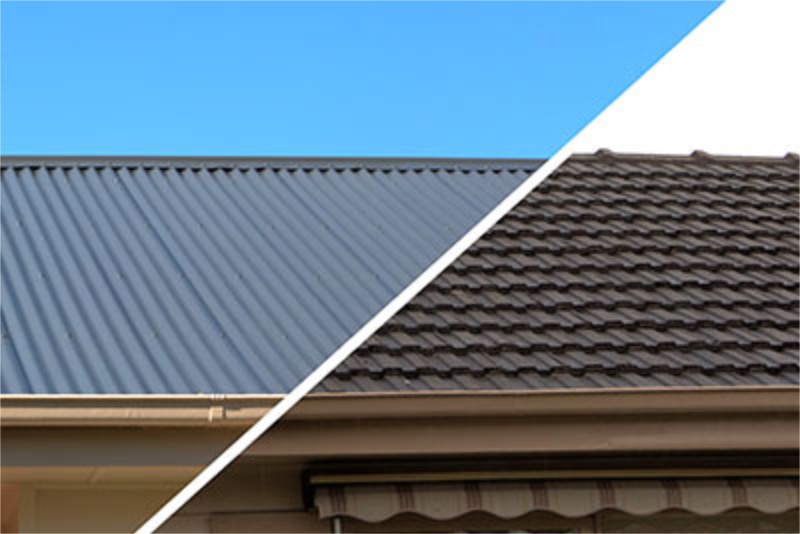
Are Concrete Tile Roofs Better Than Colorbond Roofs?
While this might seem like a simple question, it is not easy to answer without looking at the specific circumstances surrounding the house being built.
Things like the owner’s budget. the intended purpose of the building, and what goals the owner has are all crucial considerations that need to be made before choosing between Colorbond roofing and concrete tiles.
To make the decision easier, it helps to list down the pros and cons of each roofing solution, as follows:
Colorbond Roofing
While this might seem like a simple question, it is not easy to answer without looking at the specific circumstances surrounding the house being built.
Things like the owner’s budget. the intended purpose of the building, and what goals the owner has are all crucial considerations that need to be made before choosing between Colorbond roofing and concrete tiles.
To make the decision easier, it helps to list down the pros and cons of each roofing solution, as follows:
The following, are the advantages and disadvantages of installing a Colorbond metal roof that you need to know:
Pros
Cons
Concrete Tiles
Concrete or terracotta tiles come with their own set of pros and cons, such as:
Pros
Cons

Things To Consider When Choosing Roofing Materials
Consider the following when choosing the type of roof:
- Your budget
- The weather conditions in your area
- Whether it is a DIY job or you are hiring professionals
- How old the house is (when will you need to renovate it)
- Local availability of roof tiles or metal sheets
Helpful Resource – Cost to Re-roof a House
Always Hire Professional Roofers
While the question of Colorbond vs. tile roof may seem like the most important, in the end, you should always hire a professional roofer regardless of the choice you make. Properly installing roof tiles helps to prevent roof repairs and leaks and increases the longevity of your roof.
Verdict: Colorbond Roofing or Concrete Tile Roofing?
Personal preference will play the biggest role in your choice of roofing solution. Choose Colorbond roofing if you are not a fan of regular maintenance.
On the other hand, the awesome sound insulation and acoustic performance of concrete tile roofs cannot be overlooked!
Whichever roofing option you go for, do the right thing and hire an experienced roofing professional to assist you.

Adam has 28 years of roof tiling and restoration experience, he has been running Fremantle Roofing Services since its inception and is still trying to improve the business and its reputation. Adam has worked on everything, Often a little grumpy before 10 am but otherwise always happy to discuss the job and explain exactly what’s going right or wrong with your roof.





Leave A Comment