

Roof replacement is a significant investment, and the final price varies significantly depending on roofing materials, roof size, roof pitch, access, labour costs and what is hiding under the existing roof.
Use this guide to understand the costs involved per square metre, how many square metres you are paying for, and the key factors that push a replacement roof up or down in price across Australian conditions.
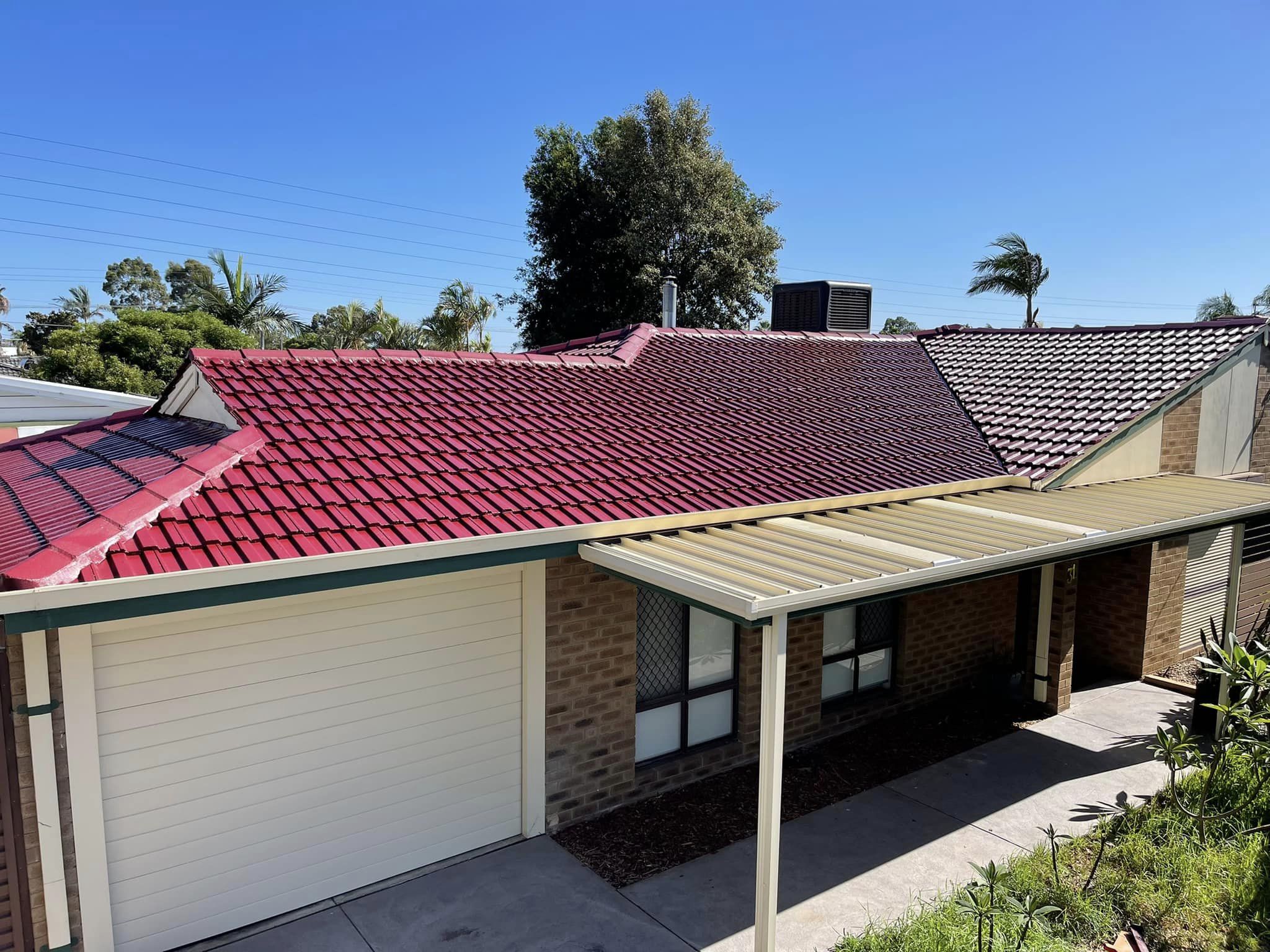
What factors affect the cost of a roof replacement?
Material choice, total area, pitch and complexity, site access, labour expenses and disposal are the primary drivers of roof replacement cost. Quotes also change with inclusions, warranties and regional requirements.
Primary cost drivers
- Roofing materials: asphalt shingles or asphalt tiles, Colorbond roofing, concrete roof tiles, terracotta tiles, solar roof tiles and premium slate tiles all carry different supply and install rates.
- Size of your roof: measured in m², not just the footprint. Larger areas reduce per-unit costs but increase material outlay.
- Roof pitch and design complexity: steeper slopes, valleys, hips, dormers, skylights and chimneys add hours, flashings and additional safety precautions.
- Access and logistics: driveway access, crane or lift requirements, skip location, parking, street permits and multi-storey height.
- Existing roof materials: roof removal time, weight and disposal differ for concrete or metal roofing, asbestos roof, shingles or slate roofing.
- Regional compliance: local building codes, wind category, BAL upgrades, coastal protective coatings and corrosion-resistant fixings.
- Warranties and QA: brand systems, installer accreditation, photo records and registrations.
How much does a roof replacement cost on average
Indicative AU supply-and-install ranges often sit around $90 to $160 per square metre for standard metal sheet, $110 to $190 per square metre for concrete tiles, $150 to $260 per square metre for terracotta roof tiles and $320 to $550+ per square metre for slate roofing. Figures include standard tear-off, breathable underlay or sarking, and regular flashings.
Real-world totals vary with access, height, roof pitch and inclusions.
Worked examples (single storey, simple gable, standard access)
- 120 m² new roof
- Low: $11,000 to $16,000
- Mid: $17,000 to $24,000
- High: $25,000 to $40,000
- 180 m² new roof
- Low: $16,000 to $24,000
- Mid: $25,000 to $36,000
- High: $38,000 to $60,000
- 240 m² new roof
- Low: $22,000 to $32,000
- Mid: $34,000 to $48,000
- High: $50,000 to $80,000
Quick scenario table
| Scenario | Assumptions | Indicative total |
|---|---|---|
| Low | Metal roof on 120 m² simple gable, easy access | $11k–$16k |
| Mid | Concrete tiles on 180 m² hip with 2 valleys | $25k–$36k |
| High | Terracotta tiles on 240 m² complex plan with scaffolding | $50k–$80k |

What is the price difference between asphalt, metal, tile and slate roofs?
Per m² ranges below include tear-off, underlay, standard flashings and compliant fixings.
- Asphalt shingles or asphalt tiles: ~$80–$130/m². Pros: light and neat. Cons: shorter life in strong UV, more frequent maintenance.
- Metal roof (Colorbond or similar concealed-fix sheet): ~$90–$160/m². Pros: fast install, cost effective weight, good wind resistance. Cons: acoustic layers under rain, marine upgrades near surf.
- Standing seam metal: ~$170–$280/m². Pros: premium lines and curves at lower slope. Cons: specialist labour and longer install.
- Concrete roof tiles: ~$110–$190/m². Pros: solid value, good acoustic performance. Cons: heavier, may encourage moss in shade.
- Terracotta roof tiles: ~$150–$260/m². Pros: colourfast and long lived. Cons: higher material costs and careful foot traffic.
- Slate roofing: ~$320–$550+/m². Pros: exceptional durability and prestige. Cons: expensive roofing with heavier structure and specialist crews.
- Solar roof tiles: typically above premium metal on a per m² equivalent; pricing depends on brand and electrical scope but can double the covering cost while improving energy efficiency.
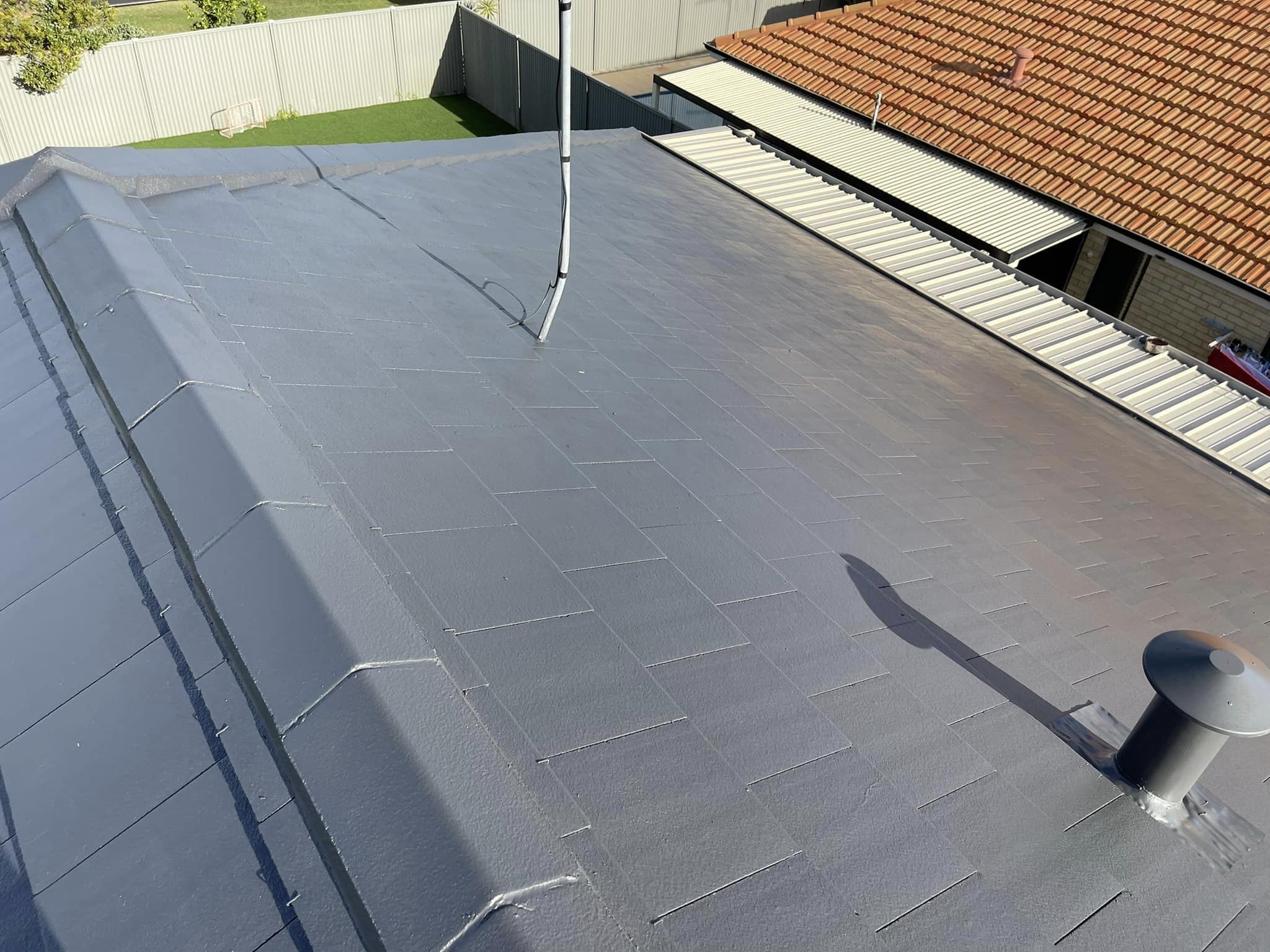
How do pitch and roof complexity change pricing
Steeper roofs add labour time, scaffolding and fall protection; very low slopes add membranes or purlins. Complexity multiplies touch points.
Typical labour bands
- Low pitch (≤10°): base rate, but allow for extra detailing on low slopes.
- Moderate (10–25°): about +5 to +15 percent labour.
- Steep (25–35°): about +15 to +30 percent plus more edge protection.
- Very steep (≥35°) or two storey: about +30 to +50 percent, scaffold and lifts common.
Complexity adders
- Valleys, dormers, parapets and step flashings
- Skylights, chimneys, flues and solar hardware
- Curved sheets, custom cappings and intricate ridge lines
How does roof size impact cost?
Roof cost scales in two ways. Materials usually increase close to linearly with total square metres, while labour and preliminaries scale non-linearly. Bigger, simple roofs can gain economies of scale. Complex edges, many small planes and cut-heavy details reduce those savings. To test different sizes and layouts against your budget, use the Cost Calculator.
Measuring and waste
- Squares vs m²: 1 square = 9.29 m². Always convert to per square metre for clarity.
- Waste factors: cut-heavy profiles, hips and valleys, patterned tiles and tapering sheets increase offcuts.
- Transport efficiencies: full-length sheets, bulk pallets and on-site lifts save money on handling.
What is the difference between a roof repair and a full replacement cost
A roof repair is localised work charged as a call-out plus labour and materials. It targets specific faults on an otherwise serviceable roof. A full roof replacement removes the existing covering and installs a new system with fresh warranties on materials and workmanship. Replacement has a higher upfront cost but resets performance and maintenance cycles. For a deeper cost and scope comparison, see Roof Repair vs Roof Replacement
When to repair vs replace
- Repair: a few cracked tiles, a local flashing leak, storm impact on a small area.
- Replace: brittle tiles across multiple slopes, chronic leaks, end-of-life coatings, failing fasteners.
Overlay vs tear off: which is cheaper and when is it allowed?
Overlays can save money on disposal and labour, but are limited by weight, code, warranties and hidden damage risks. In many AU cases, codes and manufacturers require strip to deck or battens.
Pre-overlay checks
- Structure capacity verified by a structural engineer if loads are close to limits
- Moisture mapping, ventilation path and roof ventilation upgrades
- Warranty terms from the roofing contractor and manufacturer
- Tile to metal conversions: full strip, new battens or purlins and detail changes are required.
What are typical tear off and disposal costs for old roofing
Roof removal budgets include labour, protection, skip bins and tipping fees that scale with weight and access. Metal is light and often recyclable; tiles and shingles are heavier to strip and cart.
Rule-of-thumb allowances
- Metal: roughly $8–$18/m² remove and dispose, faster handling if driveway access is good.
- Concrete or terracotta tiles: roughly $25–$45/m², heavier handling and more skip volume.
- Asphalt shingles: roughly $18–$35/m², bagging granules and cleanup time.
- Asbestos roof: specialist removal and disposal under local regulations, air monitoring and clearances; expect materially higher costs.
How much do underlayment, water barriers and flashing add
Membranes, sarking, valley irons and flashings add a measurable line item and are essential to performance and warranty.
Typical inclusions
- Breathable sarking or membrane under metal and tile
- Ridge, hips, valleys and wall abutment flashings
- Coastal grade fasteners and sealants in marine zones
Budget guidance
- Underlay or sarking: about $6–$15/m²
- Valleys and cappings: about $12–$30 per metre
- Wall/penetration flashings: project specific, include a contingency
Do skylights, chimneys and vents increase roof replacement costs
Yes. Each penetration adds labour, bespoke flashings and sometimes framing adjustments. New curb-mounts seal better on membranes and low slopes than retrofit kits.
Typical adders
- Refit existing skylight: about $350–$700 each
- New skylight installed: about $1,100–$2,800+ depending on size and shafting
- Chimney re-flash: about $400–$1,000+ per stack
- Extra vents or flues: about $150–$350 each
How do regional labour rates influence roof pricing
Metro, regional and remote rates vary with travel, supply and compliance. WA freight and colour availability can differ from the east coast. Coastal areas often need upgraded coatings and fixings for corrosion control.
Regional considerations
- Travel time, accommodation and weekend work rules
- Marine exposure specifications within local building codes
- Edge protection hire and availability in smaller markets
How long does a roof replacement take and how does time affect cost
Most roof replacement projects run 2 to 7 working days depending on size, weather, roof pitch and complexity, and time on site directly affects labour totals.
Sample timeline
- Day 1: protection, strip and dry-in
- Days 2–4: underlay, battens or purlins, primary covering
- Days 5–6: flashings, penetrations, clean-down and QA photos
- Contingency: weather delays and material deliveries
How do warranties impact cost
Manufacturer material warranties and contractor workmanship warranties offer different protection and price points. Better systems cost more but often deliver longer coverage.
What to confirm
- Years on paint or membrane, substrate and perforation
- Workmanship term and response process
- Registration steps, photo logs and accredited installer status
What hidden costs do homeowners miss in roof quotes
Scaffolding, edge protection, rotten decking or battens, termite repair, gutter upgrades and electrical mast work often sit outside base prices. Allow for ridge ventilation, insulation top-ups and paint touch-ups that keep the existing structure, see Roof Restoration.
Allowances to include
- Provisional sums for timber and decking sheets discovered during the roof replacement process
- Gutter and downpipe replacements where the current roof shows corrosion or inadequate capacity
- BAL or coastal upgrades to fixings and flashings
How does insurance handle roof replacement after storm damage
Policies may cover like-for-like replacement cost minus excess, with limits related to wear or prior defects. Expect assessor visits, make-safe works and insurer approvals before permanent works.
Claim steps
- Photograph roof damage and keep invoices for temporary repairs
- Ask for the assessor’s scope in writing
- Clarify exclusions for age, maintenance and pre-existing issues
Are there financing options or rebates for roof replacements
Many roofing services offer staged payments or finance, and some upgrades qualify for local rebates. Solar ready wiring, insulation improvements and ventilation can sometimes unlock incentives.
Before you sign
- Compare finance terms with bank options
- Check state and council programs for energy upgrades
- Confirm post-install paperwork for rebates and warranties
How does energy efficiency affect price
Upgrading for energy efficiency, cool-roof finishes, extra insulation and better ventilation, adds upfront cost, but it can lower lifetime energy bills and improve comfort. On metal roofs, lighter Colorbond colours reflect more heat and reduce summer gains. On tiled roofs, modern sarking and roof ventilation help stabilise attic temperatures and ease air-con loads. For coating options that boost reflectance on existing roofs, see our Roof Painting service page.
Simple payback ideas
- Upgrading to a light Colorbond finish can save cooling energy in warm zones
- Insulation top-ups in the roof space reduce peak loads and improve comfort
How does decking or sheathing replacement affect total cost
Replacing damaged substrate adds per-sheet material and labour after tear-off, often discovered only once the old roof is removed. Allow unit rates and a provisional sum in the contract.
Inspection and pricing
- Photo-document the deck after strip
- Price plywood or OSB per sheet plus fixings
- Include termite treatment or structural work if rot is found
How do HOA, heritage or permitting requirements influence budget
Approvals, colour limits and inspection stages add admin time and sometimes product constraints. Heritage streets may restrict profiles; strata or HOA bodies may set colours.
Submission checklist
- Product data sheets, colour samples and compliance statements
- Site plan, elevations and neighbour notifications where required
- Lead time allowances for review periods
What seasonal or market factors change roof prices
Material prices, fuel, market demand and storm seasons move roofing costs. After major weather events, lead times stretch and quotes rise.
Timing tips
- Book shoulder seasons to save money on labour and reduce weather risk
- Lock material quotes if metals are volatile
- Keep a weather and contingency allowance in the schedule

Conclusion
The cost to replace a roof comes down to clear scope, accurate estimate of area, honest discussion of access and safety, and a line-by-line list of inclusions that match your climate and warranty goals.
Decide early between concrete tiles, terracotta tiles, Colorbond roofing, standing seam or premium slate according to aesthetic appeal, durability and budget.
Balance material costs against labour expenses and disposal, and factor in additional costs such as flashings, ventilation and provisional timber repairs.
Work with a roofing professional or roofing contractor who can measure how many square metres you actually have, confirm local regulations, and specify protective coatings in coastal zones.
Done right, your new roof will improve energy efficiency, protect the entire structure and offer excellent value over its life, rather than just a low upfront number that grows as hidden items appear.

Adam has 28 years of roof tiling and restoration experience, he has been running Fremantle Roofing Services since its inception and is still trying to improve the business and its reputation. Adam has worked on everything, Often a little grumpy before 10 am but otherwise always happy to discuss the job and explain exactly what’s going right or wrong with your roof.





Leave A Comment