

Painting your roof is a significant undertaking that requires careful planning and attention to detail. While you have the option of hiring professional roof painters, it’s essential to prepare the roof’s surface properly before painting. It involves several crucial steps: inspecting the roof, cleaning the surface, repairing damages, applying a primer, selecting the right paint, and using the correct application techniques. This guide by the professional roofing contractor at Fremantle Roofing Services breaks down each step, providing expert insights and data-driven tips to help you achieve a professional-quality finish that enhances both the durability and appearance of your roof.

What are the steps for painting a roof?
Painting your roof not only enhances its aesthetic appeal but also adds a layer of protection, extending its lifespan. Below are the essential steps for painting a roof to ensure a durable, professional-quality finish:
- Roof Inspection
- Cleaning the Roof
- Repairing Roof Damage
- Applying Primer
- Choosing the Right Roof Paint
- Applying Roof Paint
- Allowing Proper Drying Time
- Final Inspection and Touch-Ups
- Maintenance and Long-Term Care

Roof Inspection for a Successful Paint Job
Before beginning your roof painting project, conducting a comprehensive roof inspection is essential. This step is crucial for identifying any missing, damaged, or aged tiles that need to be replaced as part of the roof restoration process. A thorough evaluation helps pinpoint necessary repairs, such as re-bedding and repointing, ensuring a smooth and stable base for painting.
As roofing experts we recommend that homeowners inspect their roofs at least once a year, especially after storms or heavy rainfall. In coastal regions, salt and moisture can accelerate wear, making regular inspections even more vital.
A complete roof inspection leads to an even, stable surface, preventing further damage during the painting process. It also helps avoid costly repairs down the line. Neglecting this step could result in peeling paint or structural damage, ultimately diminishing the long-term value of your investment.
Cleaning Your Roof Surface
Once the roof has been inspected, the next critical step is cleaning the roof’s surface. A clean roof is vital for ensuring optimal paint adhesion and longevity. Removing dirt, moss, and algae prevents paint from peeling and cracking prematurely. Additionally roof cleaning has been shown to increase the lifespan of roof paint by up to 30%, as it prevents contamination that would otherwise cause adhesion failure.
Best Practice: Use a pressure washer to remove debris from the roof’s surface. However, be cautious not to damage delicate roofing materials. We recommend using non-abrasive cleaning methods and avoiding harsh chemicals, which can harm the environment and roof tiles.
Repairing Roof Damage
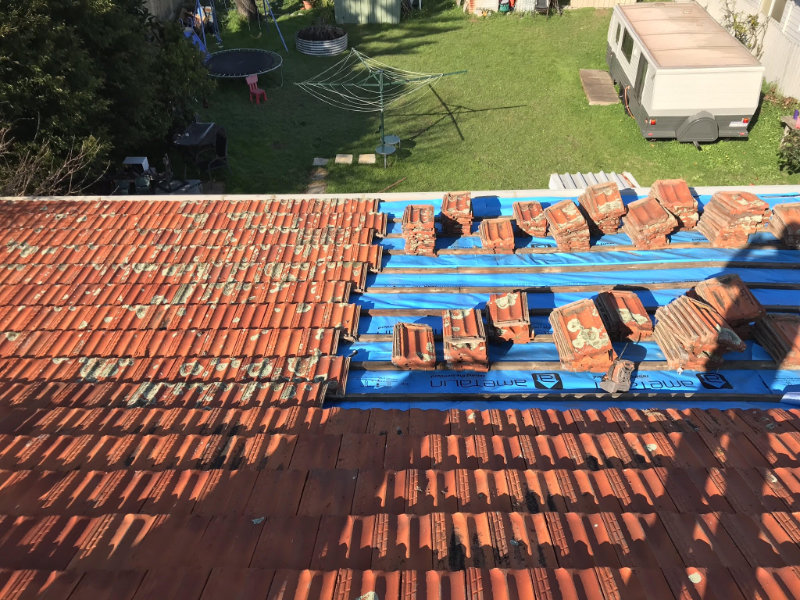
Before painting, the roof restoration process, including repairing any roof damage, is critical for long-term protection. Check for cracked or missing tiles, as these can compromise the waterproofing and integrity of your roof. Roof tiles, especially those exposed to the elements, tend to absorb moisture, which may lead to peeling and other damage.
If tiles are beyond repair, replacing them and performing re-bedding if necessary is essential. This ensures that your roof maintains its structural integrity and stays leak-free.
If you live in an area with extreme weather (e.g., coastal or humid environments), consider using sealants that are specifically designed to prevent water infiltration and resist corrosion, extending the life of your roof.

Applying Primer Coat
After cleaning and repairing the roof, it’s time to apply a primer coat or roof coating. This foundational layer not only enhances the paint’s adhesion but also helps prevent fading, chipping, and peeling. A high-quality primer smooths out minor surface imperfections, leading to a more even finish.
Best Practice: Use an airless sprayer for consistent and efficient coverage. Be sure to follow the manufacturer’s drying times between coats.
If you’re unsure about the right primer for your roofing material (tile, metal, or concrete), consult with a professional who can recommend the most suitable option based on your roof type.
Choosing the Right Roof Paint
Painting roof tiles is paramount for achieving the desired outcome. Paints formulated specifically for roofing materials, such as metal and concrete, provide the best results in terms of durability and performance. Advanced paints also contain additives that improve thermal insulation, water resistance, and longevity.
Modern roof paints are often designed with reflective properties, which deflect sunlight and reduce heat buildup inside the home. This can lower energy bills by as much as 20%, especially in hot climates. Also reflective roof coatings can extend the life of the paint by reducing UV degradation. They also reduce the heat island effect in urban areas, contributing to more energy-efficient buildings.
Application Techniques for Roofing Paints
Painting roof correctly is key to ensuring a durable and professional finish. Different tools, such as brushes, rollers, and sprayers, have their benefits. For larger roofs, spray painting is often the fastest and most efficient method. Apply the paint methodically from one side to the other to avoid uneven coverage. Always follow the manufacturer’s guidelines for the best results. Using a range of brushes and sprayers can help ensure an even coat, especially on textured or intricate roof surfaces.
Multiple Coats for Durability
For added protection, a freshly painted roof with multiple coats of paint ensures the roof’s durability. A high-quality roof paint can last up to 15 years or more if properly applied. Typically, two or three coats are necessary for a successful finish. Apply multiple thin coats, as they improve adhesion and reduce the risk of peeling. Each layer should be allowed to dry thoroughly before applying the next.
Ensuring Proper Drying Time
Proper drying time is essential for achieving a long-lasting roof paint job. Each coat must be fully dried before applying the next to ensure a solid bond between layers. Humidity and temperature can affect drying time. If possible, avoid painting during rainy or highly humid conditions, as this can extend drying times. Roofs painted in optimal weather conditions (dry and mild temperatures) will last up to 20% longer than those painted during poor weather.
Final Touches and Inspection
After allowing sufficient drying time, perform a final inspection to ensure the paint is evenly applied and there are no flaws. Carefully remove any protective materials without damaging the fresh paint. It’s also a good idea to inspect the roof regularly for any areas that may require touch-ups, especially after storms.
Benefits of Professional Roof Painting
Hiring professional roof painters offers numerous advantages over DIY roof painting. Selecting reputable and experienced professionals is crucial to ensure high-quality work and avoid the pitfalls of poor-quality services.
Long-Term Benefits:
- Durability: Professional-grade paints last longer, and the application process ensures consistent coverage, avoiding streaks or uneven patches.
- Energy Efficiency: Reflective coatings applied by professionals can improve your home’s thermal efficiency, reducing energy costs in the long term.
- Property Value: A well-painted roof enhances curb appeal and can even increase the market value of your property.
Summary
Roof painting is a multi-step process that ensures the longevity and aesthetic appeal of your home. Preparing the roof’s surface is crucial as it creates a barrier that fills in cracks and imperfections, ensuring a smooth surface for paint adherence. By following a systematic approach—inspecting, cleaning, repairing, priming, painting, and using the right materials—you can achieve a durable, professional-quality finish. Whether you choose to tackle this project on your own or hire professionals, understanding each phase ensures optimal results.

Adam has 28 years of roof tiling and restoration experience, he has been running Fremantle Roofing Services since its inception and is still trying to improve the business and its reputation. Adam has worked on everything, Often a little grumpy before 10 am but otherwise always happy to discuss the job and explain exactly what’s going right or wrong with your roof.





Leave A Comment