
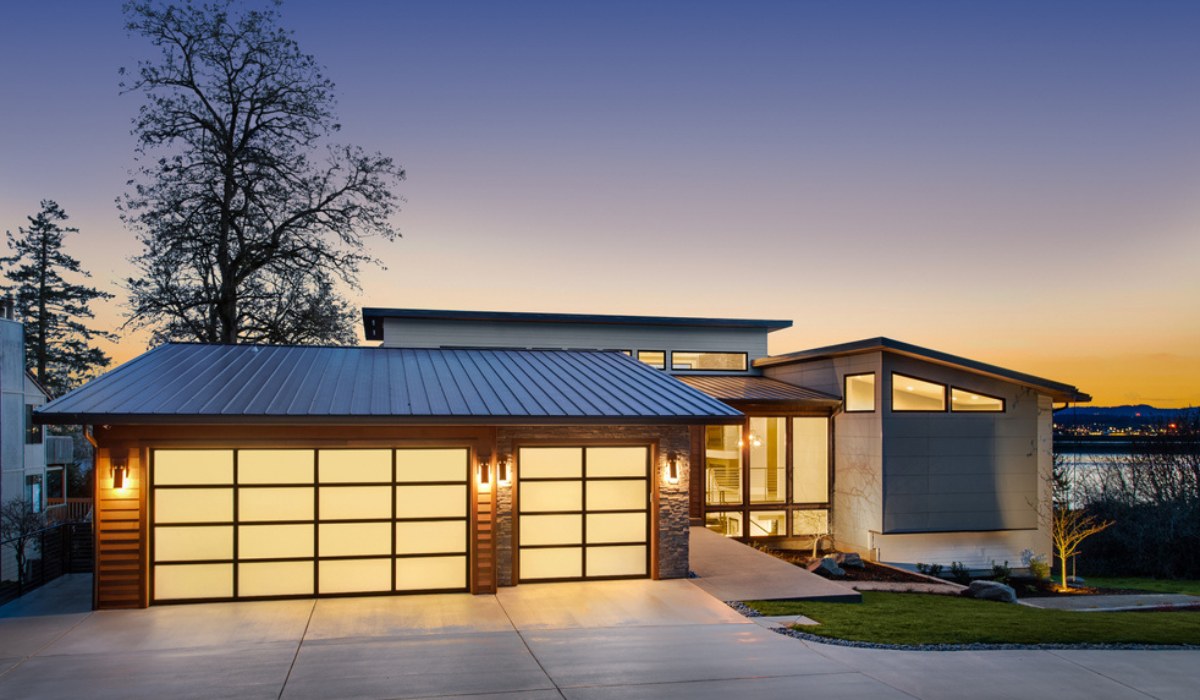
Modern roof design types prioritise clean geometry, efficient water drainage and integrated technology, while still matching local wind, sun and coastal conditions. If you are weighing roof types for modern houses, this guide compares the most common modern roof design types with traditional roof types so you can choose the right roof for your site, budget and architectural style.
What are the most common modern roof design types
Flat roofs and low slope roofs, mono pitch skillion roofs, butterfly roofs, standing seam metal systems, curved roof forms and green roofs dominate today’s contemporary homes. Each roof style has a distinct roof shape and visual signature that affects detailing, cost and energy efficiency.
Definitions
- Flat roofs: near level planes with a slight pitch and designed falls to outlets. The roof surface looks like one flat surface from the street, but falls of about 1 in 60 to 1 in 100 move water to sumps or scuppers. Typical roof material includes TPO, PVC, EPDM or torch-on membranes.
- Low slope roofs: gentle pitched roofs under roughly 5 to 10 degrees that still need sealed laps or membranes. Lower slope lines read modern while reducing overall height.
- Mono pitch (skillion) roofs: a single sloping plane with a crisp, triangular shape in elevation. Commonly long concealed-fix sheet or standing seam metal on purlins.
- Butterfly roofs: two sloping sides fall inward to a central valley rather than to a central ridge, creating a dramatic V that suits clerestory windows and rainwater harvesting.
- Standing seam metal roofs: raised narrow ribs at regular centres give a refined rhythm over long runs and curved sections.
- Curved roofs: soft arcs that can spring from a wall to form a continuous canopy over outdoor space or roll over a pavilion for a sculptural profile.
- Green roofs: vegetated layers on a waterproofed deck that absorb rainwater, reduce runoff and add insulation, especially valuable over flat or low slope structures.
Typical materials by type
- Flat and low slope: single-ply membranes, warm-roof build-ups, tapered insulation.
- Skillion and standing seam: modern materials like Colorbond steel, aluminium or zinc on ventilated sarking.
- Butterfly: metal sheets or membranes with box gutters sized for heavy rain.
- Curved: flexible metal sheets or standing seam over curved plywood or steel frames.
- Green: membrane, root barrier, drainage layers, growing media and planting.
Where they appear in Australia
- Suburban infill: low slope and skillion roofs, standing seam and occasional curved canopies for modern appearance and planning height control.
- Coastal and regional builds: skillion and curved metal roofs for strong winds and spray; butterfly roofs where rainwater harvesting is a priority.
- Inner urban additions: flat roofs behind parapets to hide plant and solar panels from the
What defines a modern roof compared to traditional designs?
Modern roofs use clean lines, minimal junctions, extended eaves, integrated solar and concealed drainage, rather than the steep pitch and ornament of traditional roofs like gable roof, hip roofs, mansard roof or gambrel roof.
Modern characteristics
- Large uninterrupted roof planes and a thin visual edge.
- Concealed box gutters or slim eaves gutters with tidy downpipes.
- Integrated solar panels or solar tiles aligned with the roof surface.
- Raking ceilings or vaulted ceilings that increase natural light and interior space.
What is a flat roof vs a low slope roof?
Flat roofs are not truly flat; they are near level planes with designed fall, while low slope roofs have a gentle, visible pitch but still rely on membranes, sealed laps and positive drainage.
Typical design ranges and checks
- Falls: many designers use 1 in 60 to 1 in 100 for membranes; lower than that increases ponding risk.
- Membranes and overflows: primary outlets plus emergency paths prevent backflow during heavy rain.
- Wind and ponding: check uplift, deflection and diaphragm action on long spans so water does not pool at the mid-bay.
How do butterfly roofs work and why are they popular in modern homes?
Butterfly roofs invert the ridge: two planes slope inward to a central valley that concentrates drainage and creates a dramatic silhouette. The structural ridge becomes a valley beam that carries loads to posts, while the valley houses a box gutter and rainheads sized for design storms. The inward fall also enables clerestory windows above the living space to increase natural light and cross-ventilation.
Design and maintenance notes
- Load paths: the central valley beam collects roof loads that a traditional central ridge would distribute in the opposite direction.
- Drainage system: box gutters need calculated capacity and visible emergency overflows; maintenance access must be safe and regular.
- Daylight and shade: the V-form allows clerestory glazing with summer shading under the overhangs.
What is a mono pitch roof and where is it used
A mono pitch roof is a single sloping plane. It is common on pavilions, extensions, coastal builds and contemporary infill where height control matters. The single fall reads crisp in elevation, simplifies drainage by directing water to one side, and pairs well with modern cladding profiles. For costs and profile choices on metal systems, see the Colorbond Roofing Cost Guide.
Design pointers
- Spans and purlins: check span tables for concealed-fix and standing seam systems; closer purlin spacing limits deflection and noise in high winds.
- Boundaries: use the lower edge to control height at setbacks while gaining extra internal volume with a raking ceiling.
- Solar orientation: a north-facing plane improves PV yield; a south-facing plane may prefer roof windows to increase natural light.
How does a parapet change the look and function of flat roofs?
Parapets hide the roof edges to create a boxy elevation and allow concealed gutters. They look clean but demand excellent waterproofing and overflow design. On a traditional flat surface you can see membranes and laps, while behind a parapet those details sit out of sight, which raises the standard for execution. If your system is aging or leaking, consider a an upgrade via Roof Restoration.
Parapet detailing essentials
- Cap flashings and upstands: membranes turn up the wall and sit under metal cappings; joints need expansion provisions.
- Scuppers, rainheads and overflows: set primary and emergency paths that discharge externally and visibly.
- Movement: plan expansion joints on long runs so thermal cycles do not telegraph cracks.
What are green roofs and how do they work?
Green roofs place vegetation over a waterproofed structure with root barriers, drainage layers and growing media to absorb rainwater, improve comfort and soften massing. They suit flat roofs and low slope roofs on modern architecture that wants to reduce stormwater peaks and improve biodiversity.
System choices and cautions
- Extensive: shallow mediums and hardy sedums with minimal irrigation; lighter weight and lower construction costs.
- Intensive: deep soils with shrubs or paths; heavier loads and higher maintenance.
- Structure and safety: confirm extra weight, access and edge protection; in bushfire zones, follow planting and clearance rules.
What is a cool roof and what materials qualify?
A cool roof uses materials with high solar reflectance and high thermal emittance to reduce heat gain and help cut cooling energy. Typical options include light Colorbond finishes, bright coated standing seam, and reflective membranes on flat or low-slope roofs. For refurbishment or colour changes that maintain reflectivity, see Roof Painting.
Selection notes
- Performance data: look for published reflectance and warranty notes for coastal exposure.
- Glare management: near neighbours or in dense suburbs, choose lighter greys or add screens to manage reflected light.
- Benefits: lower roof surface temperatures, reduced cooling loads and potentially longer membrane life.
How do roof overhangs and eaves affect modern elevations
Deep, slim eaves sharpen shadow lines, protect cladding and help control indoor temperatures while keeping a minimalist outline. Overhangs are part science, part style: they shape daylight and shield façades.
Rules of thumb
- Orientation: deeper north projections for summer shade with winter penetration; east and west need more projection or vertical fins.
- Gutters: decide between concealed box gutters for invisible edges or a slim eaves gutter that reads as a fine line.
- Ventilation: plan soffit vents or roof cavity airflow so moisture does not accumulate in the roof space.
What are the pros and cons of metal roofs for modern architecture?
Metal roofing delivers long, crisp lines at low weight with cost-effective spans. It is versatile across modern forms, from pavilions to mono pitches, provided details at penetrations and coastal exposures are handled correctly. For system trade-offs against tiles, see Tile Roofs vs Colorbond Roofs.
Profile and performance
- Standing seam: premium look with tight ribs and the ability to curve; superb for low to moderate pitches.
- Concealed-fix sheet: clean planes without exposed screws; good for lower slope lines.
- Corrugated: classic texture that still reads modern on raking ceilings and shed roof pavilions.
- Considerations: acoustic layers for heavy rain, coating grades for salt exposure, and detail at skylights and flues to avoid leaks.
How do skylights and roof windows fit into modern roof design?
Skylights, clerestory windows and long slot roof lights bring daylight deep into plans while keeping roof planes clean. On skillion roofs and low slope roofs, careful flashing and shading keep the benefits without heat penalties.
Detailing tips
- Flashing kits: match kits to metal profiles or membranes to keep the junction watertight.
- Summer control: add blinds or low solar-gain glazing and consider external awnings for west-facing slots.
- Safety: integrate fall protection and safe maintenance access.
What are solar ready roof designs?
Solar-ready designs reserve unshaded roof planes at the right pitch for PV panels or solar tiles, and they pre-route concealed conduits and service zones from roof to switchboard. Plan now for future batteries, solar hot-water and EV charging so the structure, wiring and penetrations are in the right places. If you’ll be repainting a roof that already has PV, see A Guide to Roof Painting with Solar Panels.
Pre-planning checklist
- Orientation: prioritise north or near-north planes; avoid chimneys, trees and parapet shadows.
- Services: pre-plan inverter location, cable runs and roof penetrations.
- Structure: allow loads for PV and potential extra living space below if raking ceilings change spans.
How does roof pitch influence contemporary aesthetics?
Lower pitches and long uninterrupted runs create the modern appearance, while steeper mono or sawtooth forms add drama, daylight and volume. Pitch also changes drainage choices and structural demand.
Design impacts
- Interiors: raking lines can lift room volume and open up attic space into usable interior space or storage without raising overall height.
- Water management: very low pitch relies on membranes and a tested drainage system; steeper slopes shed water faster but may raise height at boundaries.
- Planning: navigate height and overshadowing rules while keeping clean compositions.
What drainage systems do flat and low slope roofs use?
Membrane roofs drain to sumps, scuppers, rainheads and downpipes, with primary and emergency overflow paths sized for local storms. Butterfly roofs and parapeted flat roofs depend on internal box gutters, so capacity and maintenance are critical.
Drainage checklist
- Falls and ponding: set minimum falls and check ponding during setout; a slight pitch is essential on so-called traditional flat roofs.
- Internal vs external: internal systems look cleaner but require rainheads, overflows and access; external eaves gutters spill forward if they surcharge.
- Maintenance: Inspect rainheads and box gutters regularly so debris doesn’t block outlets during heavy rain and schedule Pressure Cleaning so design capacity is maintained.
What are the best materials for modern roofs?
Standing seam metal, concealed-fix sheet and membranes like TPO, PVC and EPDM suit clean lines and low pitches. On curved roof forms, standing seam or flexible sheet blends performance with aesthetic appeal. . To compare material options and budget impacts, try our Cost Calculator.
Material matching
- Pitch: membranes for flat and very low slopes; standing seam or concealed-fix for low to moderate pitches; corrugated for steeper slopes.
- Exposure: upgrade coatings and fixings near the coast for wind resistance and corrosion control.
- Compatibility: keep adjacent metals and sealants compatible to avoid galvanic issues; follow manufacturer warranty installation rules.
How do modern roofs improve energy efficiency and comfort?
Modern roofs cut heat loads and reduce energy costs with reflective finishes, continuous insulation, ventilated cavities and smart shading. A well-detailed roof reduces condensation risks and keeps roof space healthy.
Envelope moves
- Sarking and vapour control: use vapour-permeable sarking under metal to let moisture escape while keeping weather out.
- Thermal breaks: install breaks under metal battens at cold bridges; continuous insulation above the deck on flat roofs.
- Airtightness: seal roof to wall junctions and service penetrations; add planned ventilation where needed.
What structural requirements support long, clean roof lines?
Long, crisp roof planes rely on engineered members, closer purlin spacing and robust bracing to keep deflection low and prevent ripples or oil-canning. Detailing for wind uplift, thermal movement and drainage integration is just as important. If you’d like a site check before design or re-roofing, book a Roof Inspections Perth assessment.
Structure and fixings
- Members: compare LVL, steel beams and engineered trusses for span, depth and cost effective performance.
- Uplift and tie downs: detail to wind region and terrain; ensure diaphragm action for lateral stability.
- Openings and gutters: plan large openings, hidden gutters and rainheads into the structural scheme so everything aligns.
How do modern roofs integrate with rainwater harvesting?
Clear catchment planes, first-flush devices, screened rainheads and correctly sized tanks let a modern roof collect water reliably. Butterfly roofs and skillion roofs focused to a single edge make it simple to direct flows.
Harvesting checklist
- Quality: separate potable and garden supply; choose food-grade linings where drinking is planned.
- Hydraulics: size rainheads and downpipes to the roof area and local design rainfall; keep screens and guards clear.
- Maintenance: clean gutters and sumps regularly so harvested water quality stays high.
Modern versus traditional roof styles at a glance
Traditional roofs such as gabled roof, hip roofs, jerkinhead roof, bonnet roof, saltbox roof, mansard roof and gambrel roof rely on steep pitch, multiple junctions and projecting forms that create spacious attic space but add height and complexity. Modern roof types simplify geometry to a flat surface, slight pitch or single plane, which can lower construction costs and keep mass modest in the streetscape. There is no single best roof type; the decision sits at the intersection of climate, planning controls, desired interior space and maintenance appetite.
When a traditional type still makes sense
- High snow or extreme rain climates: steep slope sheds water fast and keeps laps dry.
- Spacious attic needs: steep pitch supports a roomy roof space for storage or extra living space.
- Heritage streets: a gable roof or hip roof may be a planning requirement.
Conclusion
Modern roof design types achieve their aesthetic appeal by aligning roof style, structure, drainage and materials with Australian conditions. Flat roofs and low slope planes keep elevations quiet, skillion roofs and standing seam bring crisp lines, butterfly roofs harvest water and daylight, and curved roof elements soften edges over outdoor space. Choose a type of roof that fits your climate and council rules, specify materials that match pitch and exposure, and insist on calculated drainage with visible overflows. Pair reflective finishes with insulation and shading to reduce energy costs, and design access so the roof can be inspected and cleaned regularly. Do that, and your new roof will look right, perform in heavy rain and strong winds, and remain cost effective to maintain over its life.

Adam has 28 years of roof tiling and restoration experience, he has been running Fremantle Roofing Services since its inception and is still trying to improve the business and its reputation. Adam has worked on everything, Often a little grumpy before 10 am but otherwise always happy to discuss the job and explain exactly what’s going right or wrong with your roof.





Leave A Comment