How often should you restore your roof? The answer varies based on the roofing material, climate, and maintenance habits. Generally, restorations are needed every 10-25 years. This guide will help you understand the key factors that influence roof restoration frequency, recognise signs that your roof needs attention, and appreciate the benefits of regular roof maintenance.

Understanding Roof Restoration Frequency
Roof restoration helps maintain your home’s structural integrity and aesthetic appeal. The frequency of roof restorations depends on factors like roofing material, weather conditions, and maintenance routines. Ignoring regular maintenance can lead to severe damage, increasing restoration costs and compromising your roof’s integrity.
The Perth roofing experts at Fremantle Roofing Services recommend that you evaluate your roof at least annually. Professional inspections can help identify minor issues before they evolve into costly repairs.
Adam Dean, a roofing contractor with 25 years of experience, notes, “Regular inspections not only catch small leaks early, but also save thousands in future repairs.”
Look for signs indicating the need for restoration, such as moisture trails, dark spots on ceilings, and mould on interior walls. A typical roof has a lifespan of 20 to 25 years, but regular restoration can renew its functionality and appearance.

Roof Restoration Frequency Factors
Several factors influence how often you should restore your roof. Climate conditions, such as exposure to sunlight, wind, and debris, can accelerate roof wear and tear. The roofing material itself plays a significant role; for instance, metal roofs often need restoration every 20-25 years, while shingle roofs suffer more from UV exposure and may require more frequent attention.
The quality of the initial installation and regular maintenance practices also affects restoration frequency. An annual roof evaluation can maintain its integrity and catch any issues early. Professional cleaning maintains the roof’s appearance and prevents debris build-up. Local weather conditions, such as those in coastal areas, may require more frequent restoration due to salt exposure.

Signs It’s Time for a Roof Restoration
It’s essential to identify the tell tale indications that your roof is in need of restoration. Keep an eye out for symptoms like leaks, a drooping roofline, and the proliferation of mould or mildew. Signs of wear and tear should also be taken seriously. These can include damaged tiles or shingles as well as a build-up of debris which has the potential to cause considerable damage if ignored.
Quick action should be taken when you notice issues such as cracked tiles or unsecured flashing to avoid future extensive harm. It’s especially important with shingle roofs, which can succumb to decay from UV rays and standing water—making prompt restoration critical for maintaining their integrity.
For example, homeowners living near coastal areas with high salt exposure may need more frequent roof restorations due to corrosion on metal roofs or accelerated decay on other materials.
How Often Should Different Types of Roofs Be Restored?
Restoration requirements for a roof can differ based on the roofing material utilised. Typically, it’s recommended to undertake restorations within a period of 15 to 25 years. This timeframe may be influenced by the resilience of the material and local weather factors.
We will delve into specific details since every roof type of roof comes with its distinct features and maintenance demands.
Tile Roofs
Roof restorations for tile roofs are recommended to be undertaken every 15-20 years due to their notable strength and durability. During the process of restoring a tiled roof, essential repairs may include fixing cracked tiles and repointing. The financial outlay for such restorations varies considerably, with estimated costs to refurbish a 150m² tiled roof falling between $4,700 and $6,300.
Case Study: One homeowner in Perth reported a 10-year gap between restorations, where repairs and repointing were needed after severe weather. By restoring the roof on time, they saved on costly replacements later, with costs only reaching $5,000 instead of a full re-roofing estimate of $18,000.
Typically, the cost per individual tile falls within the range of $3 to $5. Roofing companies usually offer their services based on price per square metre. The prevailing state of the roof is paramount in determining restoration expenses. It significantly impacts overall costs. Engaging in regular upkeep and ensuring timely restorations can safeguard against extreme weather conditions while providing homeowners with reassurance regarding their roofs’ condition.
Metal Roofs
Metal roofs boast a robustness that typically allows them to reach 20-25 years before there’s a need for restoration. Key tasks in restoring a metal roof usually involve repainting or sealing it, which is crucial for preserving its protective features. Advances in metal roofing materials, such as corrosion-resistant coatings, can increase the lifespan of metal roofs, but timely restoration is still needed.
Adam Dean, the owner of Fremantle Roofing Services and a roofing expert in Western Australia, states, “Repainting or resealing a metal roof every 20 years can double its service life. We’re seeing more homeowners opt for eco-friendly sealants that help both the environment and their roofs.”
Conducting consistent maintenance checks and addressing problems swiftly plays an essential role in keeping the roof well-preserved, thereby prolonging its serviceable life. The long-term structural integrity of metal roofs relies heavily on maintaining previous coatings and ensuring restorations are performed when necessary.
Shingle Roofs
Due to the vulnerability of asphalt shingle roofs to UV rays and water damage, they typically need restoration within a decade or fifteen years. To avert expensive repairs and prolong their durability, it’s vital for homeowners to carry out consistent upkeep on these roofs.
Shingle roofs that undergo regular maintenance every 10 years last an average of 5 years longer than those left without restoration. This is especially true for homes exposed to intense sun or frequent rainfall.
Exposure to severe weather can accelerate the deterioration of shingle roofs. Prompt restoration is key. Vigilance in checking and upkeep of roofing will help homeowners prevent substantial problems in the future.
Benefits of Regular Roof Restoration
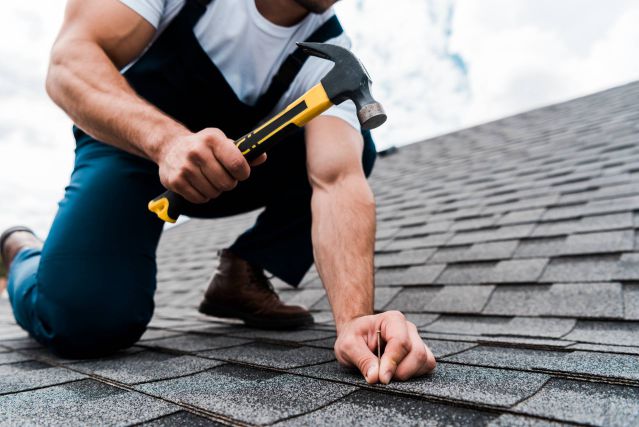
Restoring your roof on a consistent basis comes with multiple advantages, serving as an economical substitute for full-scale roof replacement. This process not only improves the visual attractiveness of your residence, elevating its curb appeal and potential market price, but also promotes eco-friendliness by minimising roofing material waste that would otherwise accumulate in landfills.
Through routine restoration efforts, you can safeguard your roof against weather-related deterioration and everyday wear and tear. Such proactive care substantially prolongs the service life of your roof while deterring infestations from pests.
Extending Your Roof’s Lifespan
Restoring a roof encompasses several procedures that include cleaning, repainting, and swapping out damaged tiles. These actions can prolong the durability of a roof by an additional 5 to 10 years. With proper upkeep, roofs can provide reliable shelter for your residence for upwards of 15 years.
Adhering to a consistent restoration routine wards off water damage and related complications commonly seen in shingle roofs, thereby boosting their longevity. By maintaining regular restoration practices, you are substantially increasing the service life of your roof and safeguarding your investment.
Enhancing Energy Efficiency
Roof restoration contributes to better insulation, leading to reduced energy expenditures. Improved insulation from restoration prevents heat loss in winter and keeps cool air inside during summer, enhancing energy efficiency and comfort. New reflective coatings for metal roofs can also reduce heat absorption, which is especially important in Australia’s hotter regions.
As a result, homeowners can experience significant savings on energy costs over time, making restoration a cost-effective investment in both the short and long term.
Boosting Property Value
A well-maintained roof enhances the overall look of a house, making it more attractive to potential buyers. An appealing roof can significantly improve sale prices and increase buyer interest.
Investing in regular roof maintenance can lead to a higher property value due to increased curb appeal and structural integrity. This makes roof restoration a smart financial move for homeowners looking to sell their property.
Cost Considerations for Roof Restoration
Several factors must be taken into account when evaluating the costs associated with roof restoration, such as the current state and age of your roof, any essential repairs that need to be made, and the total size of your roofing area. Homeowners can reap tax benefits from these restoration expenses because they fall under maintenance costs, which might reduce the taxes paid on property maintenance.
In terms of expenditures, opting for a roof restoration usually runs about one-third of what you would pay for a full re-roofing job. This makes it a financially more attractive option for homeowners. We should examine in detail these specific cost variables while also weighing up how restoring stacks up against complete replacement.
Determining Roof Restoration Costs
The expense of roof restoration is determined by several factors, such as the size of the roof, its pitch and ease of access. Restoration costs are influenced by the type of roofing materials used, as varying materials necessitate distinct approaches to restoration.
Geographical factors also play a role in determining expenses. Properties situated in remote areas may incur higher charges. The extent of wear or damage on a roof can lead to more comprehensive restoration requirements, thus elevating the overall cost. Weighing up repair expenses against those for full replacement is essential when considering options for your roofing needs.
For more information on costs please read our guide HERE
Comparing Costs: Restoration vs. Replacement
When there are a few signs of damage or mould build-up, roof restoration is often a better option than replacement. Restoring your roof can lead to significant cost savings compared to a full replacement.
Typically, about 30% of roof damage will necessitate a full replacement. A common mistake homeowners make is choosing repair over replacement simply to save money, even though restoring a few damaged tiles may cost more than cleaning the entire roof.
Tips for Maintaining Your Roof Between Restorations
Maintaining your roof between restorations is crucial to prolong its lifespan and prevent costly repairs. Regular inspections, cleaning gutters, and promptly addressing minor repairs can keep your roof in optimal condition.
Regular Inspections
Regular roof inspections are essential to detect damage early and prevent bigger problems. Roof maintenance should be performed at least once a year, with spring being a good time for this in Australia. It is important to have your roof checked regularly.
A professional inspection is advised to accurately estimate restoration costs and ensure your roof remains in good condition. Only a professional roofer can help avoid costly repairs in the long run.
Cleaning Gutters and Removing Debris
It’s imperative to regularly clear out gutters in order to avert clogs and deterioration stemming from the collection of leaves and grime. The accumulation of debris on your roof can lead to considerable problems, which is why its consistent removal is necessary.
Maintaining clean gutters aids in the appropriate channelling of water and diminishes the threat of water damage afflicting both your roof and residence. Conducting routine upkeep by cleaning your gutters and expelling debris contributes significantly to preserving the well-being of your roof otherwise a complete gutter replacement may need to be completed .
Addressing Minor Repairs Promptly
Swiftly attending to minor roof repairs is crucial for preserving the structural integrity of your roof and prolonging its service life. Neglecting needed repair work can exacerbate damage, resulting in considerably higher costs for extensive restoration.
By undertaking simple maintenance tasks like resealing or repainting aging roofs, significant complications can be avoided. Homeowners who act promptly on roof repairs ensure their roofs remain in optimal condition, thus circumventing expensive restorative measures.
Summary
Ensuring that your roof receives consistent maintenance and restoration is crucial for prolonging its durability, improving energy conservation within the home, and increasing the overall value of your property. It’s important to acknowledge the specific requirements of various roofing materials while being vigilant for indications that point towards a need for roof restoration in order to maintain it effectively.
Committing to routine roof upkeep and addressing restorations promptly can help you avoid expensive repairs down the line, all while keeping your residence secure and visually attractive. A meticulously maintained roof reflects exceptionally on the condition of one’s domicile. do you require restoration to be completed so your roof’s lifespan can be extended? Talk to the roofing experts at Fremantle Roofing Services today to get started.

Adam has 28 years of roof tiling and restoration experience, he has been running Fremantle Roofing Services since its inception and is still trying to improve the business and its reputation. Adam has worked on everything, Often a little grumpy before 10 am but otherwise always happy to discuss the job and explain exactly what’s going right or wrong with your roof.