
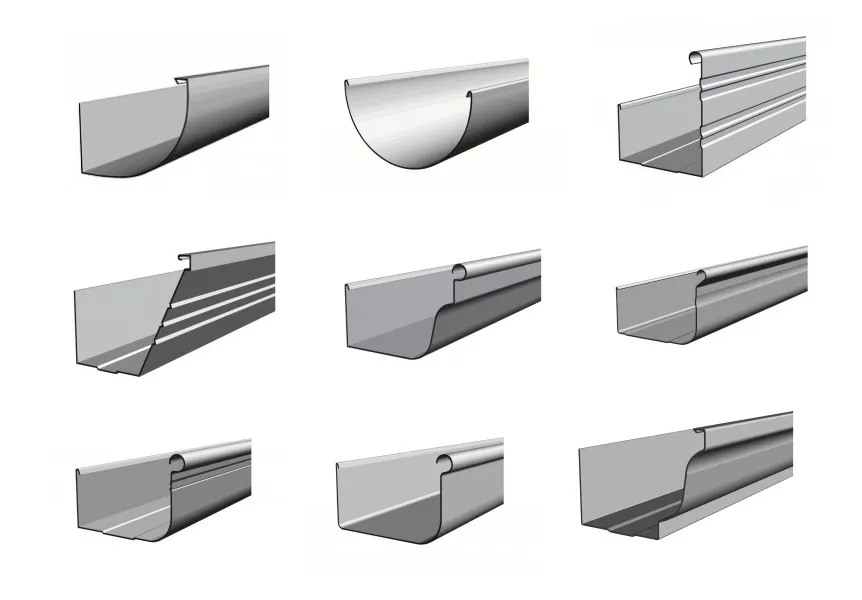
Australian guttering profiles are designed to collect rainwater efficiently, protect the roof edge and fascia board, and direct flow into a safe drainage system that suits local rainfall patterns and architectural style.
Choosing the right gutter system means understanding eaves gutters versus concealed or internal fixed guttering, knowing how profiles affect water flow, and matching materials like Colorbond steel or Zincalume steel to harsh Australian climate conditions, particularly in coastal areas.
When gutters are installed correctly with the right gutter brackets, outlets and expansion joints, they cope with heavy rainfall, shed leaves and other debris, and reduce the risk of water overflow that can damage timber fascia and walls.
Badly installed gutters, undersized downpipes or missing overflows eventually lead to staining, leaks and roof repairs that cost far more than selecting the right gutter types upfront.
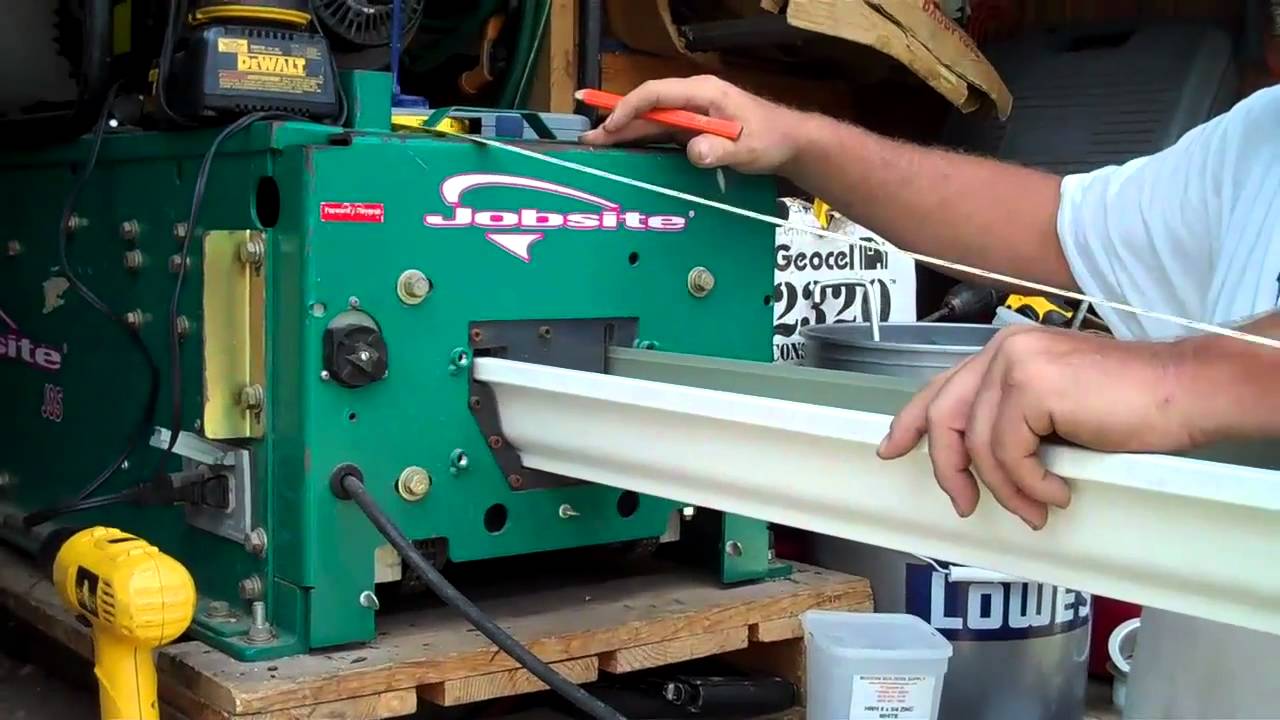
What are the common gutter types used in Australia?
Fascia gutters, half round gutters, quad gutters and box gutters are the main residential Australian gutter types. Eaves gutters sit on the exterior edge of a pitched roof and are fixed to a conventional fascia or integrated as fascia gutters, while box gutters are concealed gutters located within the roof footprint, often behind parapets or in internal valleys.
Suppliers in New South Wales, Western Australia and South Australia may use different trade names for equivalent guttering profiles, so always check dimensions and compatible guttering accessories before ordering.
Typical residential use
- Fascia gutters: sit on the horizontal part at the eaves line, blending the fascia and gutter into one sleek finish.
- Half round: a curved base promotes self cleaning and smooth water flow that suits heavy rainfall and coastal areas.
- Quad gutter: a traditional look with a squared back for the fascia, common on historic houses and major renovations.
- Box gutters: concealed gutters sized by calculation for internal areas, parapets and large roof junctions.
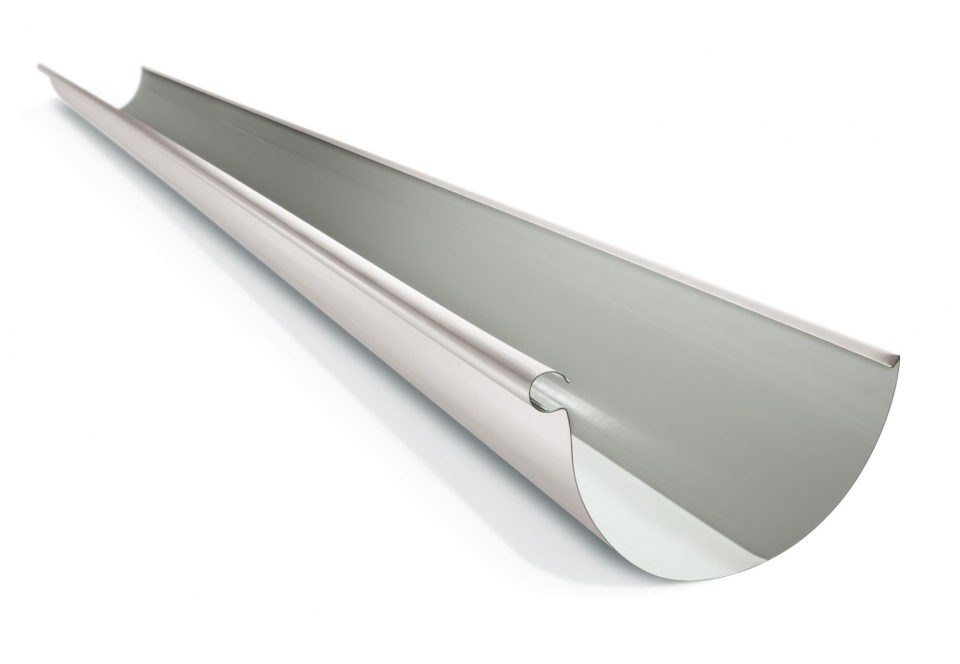
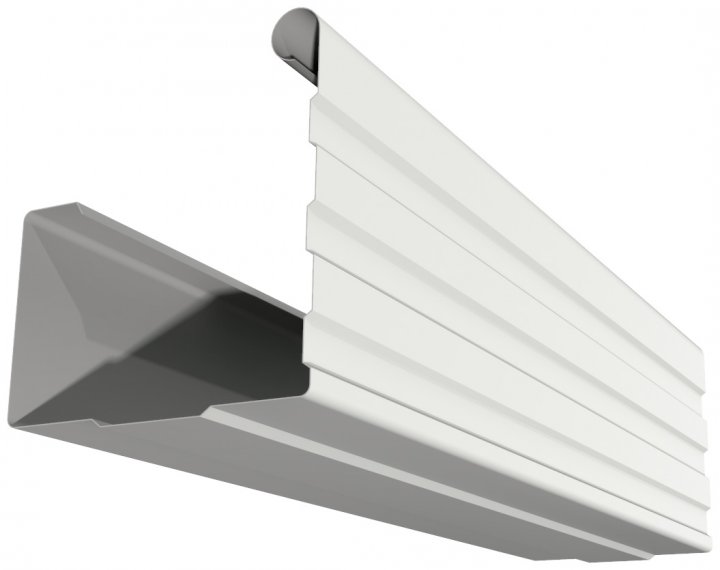
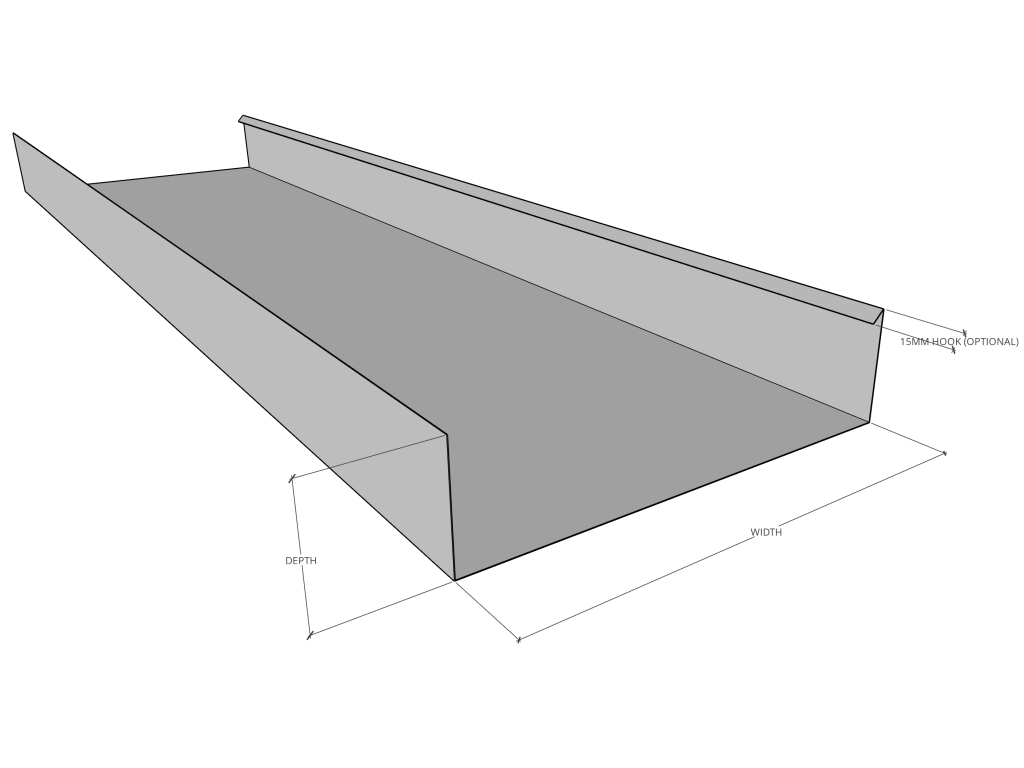
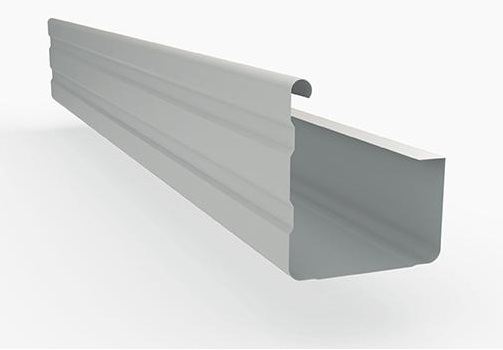
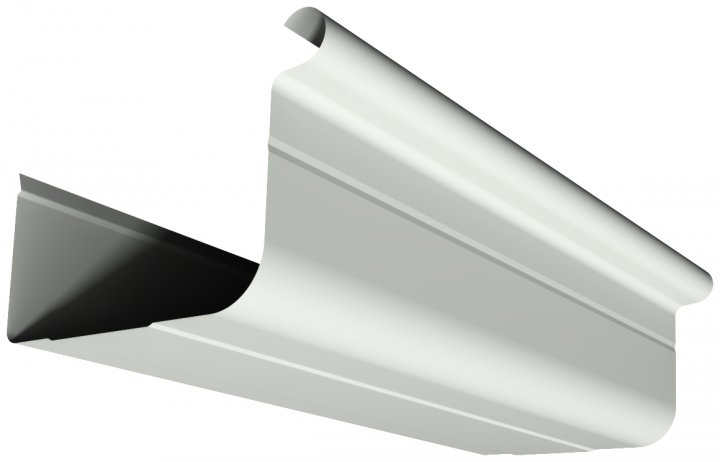
What is the difference between quad, half round, fascia and box gutters?
Quad gutter offers a traditional profile that suits heritage and elegant buildings, half round increases hydraulic capacity and self cleaning, fascia gutters integrate along the roof edge for a tidy line, and box gutters sit inside the roof and require engineered capacity and compliant overflows. A half round or ogee style can complement contemporary roofing profiles, while quad gutters often blend nicely with historic buildings where the aesthetic appeal is part of council expectations. Box gutters demand precise setout, sumps and rainheads, and are best reserved for complex roof drainage systems or commercial premises where geometry drives the choice.
Pros and cons at a glance
- Quad gutter: classic look, works with many roof rafters and fascia alignments, moderate debris shedding.
- Half round: high flow for a given width, self flushing shape, corrosion resistance depends on coating.
- Fascia gutters: clean edge line that simplifies trims and external brackets, capacity varies by brand.
- Box gutters: compact and hidden, require rainheads, overflows and sumps sized to Australian Standards.
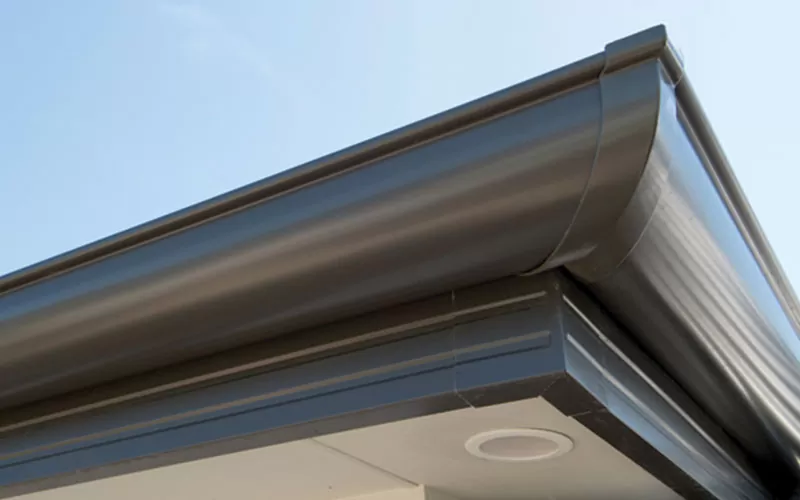
What does “eaves gutter” mean in Australia?
An eaves gutter runs along the eaves beneath a pitched roof. Its job is to collect rainwater and carry it to downpipes, which then discharge to a lawful outfall under local rules. A fascia gutter is a common eaves gutter profile that replaces a separate timber fascia with an integrated metal face. Good performance depends on correct fall and bracket spacing. Slotted gutters allow limited face overflow when downpipes choke, which helps prevent water tracking back toward walls. If you are unsure whether your gutters are set up correctly or need maintenance, book an assessment via out gutter replacement page.
Eaves gutter essentials
Continuous fall: Set consistent fall to each outlet so water moves rather than ponds.
Adequate support: Space brackets to support the profile under load and align with the fascia.
Watertight joins: Use compatible mitres, stop ends and pops, sealed per the manufacturer’s instructions.
Overflow provision: Consider slotted fronts or dedicated overflow paths to manage blockages.
Downpipe capacity: Size and position downpipes to suit roof catchment and local stormwater requirements.
How are Australian gutter sizes measured?
Gutter sizes are described by nominal width and depth, but the effective cross section and tested capacity determine real performance. A sheerline gutter profile or a slotted gutter profile with the same nominal size can carry different flows because shape, entry conditions and outlets change the hydraulics. For roof easier maintenance on a large roof, capacity and outlet count matter more than the marketing name.
Sizing checkpoints
- Compare nominal dimensions to effective area in supplier charts.
- Confirm tested flow at typical falls and outlet diameters.
- Consider debris load and maintenance when selecting slotting and depth.
What gutter materials are standard in Australia?
Common materials include Colorbond steel, Zincalume steel, aluminium and PVC. Steel guttering suits most dwellings and is constantly exposed to sun and rain without excessive movement, while aluminium can offer extra corrosion resistance in coastal areas when coated correctly. PVC is common on small runs and some industrial settings, but thermal expansion requires careful detailing. Thickness for residential steel eaves gutters typically ranges from around 0.42 to 0.55 millimetres, with heavier gauges for commercial premises or harsher exposures.
Material comparison
- Colorbond steel: wide colour range, strong coatings for Australian conditions, suits most gutter types.
- Zincalume steel: cost effective base metal with proven durability, can be painted to match trims.
- Aluminium: light and corrosion resistant, higher material cost, good in coastal zones with marine grade fixings.
- PVC: easy to cut and join, expansion and UV stability must be managed with clips and layout.
What are standard downpipe sizes in Australia?
Common downpipes are 90 mm round and 100 × 50 mm rectangular, with larger sizes for box gutters, long eaves runs or high intensity rainfall. The downpipe count must match catchment area and rainfall intensity to prevent surcharge. Spreaders can help distribute flow from upper roofs to lower eaves gutters without overwhelming one point on the system.
Downpipe selection tips
- Calculate roof area to each outlet before choosing pipe size.
- Add outlets on very long runs to balance the drainage system.
- Position pipes to avoid conflict with security cameras or doors.
How does rainfall intensity influence gutter size selection
Designers use local ARI or AEP rainfall data to size gutters, sumps and downpipes so the rainwater drainage system performs during design storms. The Bureau of Meteorology’s IFD data is the standard reference, and the National Construction Code requires systems to be sized to local design rainfall rather than guesswork. Higher intensities demand bigger profiles, more outlets or both.
Capacity planning
- Check IFD values for the address and select profiles with proven flow.
- Use additional downpipes for complex roof shapes and long runs.
- Increase fall and clear leaf paths in high debris zones.
What are overflow provisions and why are they required
Overflow features protect interiors when outlets clog, allowing water to spill externally and visibly rather than back into the building. Eaves gutters use slotted fronts or a high front back gap, while internal fixed guttering must include rainheads and emergency overflows that discharge to the outside. Placing overflows where water overflow is obvious prompts maintenance and reduces hidden damage.
Overflow options
- Slotted gutter faces or controlled back gaps for eaves gutters.
- Rainheads with weirs and emergency overflows for box gutters.
- Spreaders on lower roofs to dissipate discharge.
What is the role of rainheads and sumps in Australian guttering
Rainheads and sumps buffer and meter flow from box gutters into downpipes while providing built in overflow paths. They sit at the transition from concealed gutters to external pipes and help maintain structural integrity by preventing water from backing into the roof structure. In heavy leaf suburbs, leaf screens fitted to rainheads keep performance steady without blocking the overflow path.
Placement and detailing
- Locate at low points in internal runs and size to calculated inflow.
- Keep screens above the weir level so overflows still function.
- Use corrosion resistant fasteners that match the parent material.
What is the difference between internal box gutters and external gutters
Internal box gutters are concealed within the roof and require engineered capacity, sumps, rainheads and emergency overflows, while external eaves gutters are visible and, if they surcharge, spill over the front edge. Internal systems carry higher risk because blockages can damage ceilings and framing. Good access for cleaning and inspection should be part of the design, particularly on complex roofs or older buildings.
Comparison points
- Risk profile and consequence of blockage.
- Access for maintenance and inspection routes.
- Need for visible external overflow to meet Australian Standards.
How do bushfire zones impact gutter choices
BAL ratings influence materials, guard aperture and detailing so embers and debris are less likely to ignite the roof edge. Non combustible metals such as Colorbond steel or Zincalume steel are preferred in higher BAL areas. Ember resistant gutter guards help, but gutters regularly need inspection because moisture accelerates corrosion where debris lingers.
BAL considerations
- Choose non combustible profiles and ember resistant guards.
- Keep valleys and gutters clear during fire season.
- Confirm compatibility of guards with overflow slots and weirs.
What gutter profiles are common by state
Profile names vary by supplier, but quad, half round, squareline and ogee fascia are sold nationally with minor changes to lip and back height. Heritage suburbs in New South Wales and South Australia often prefer quad gutter for its period look, while coastal Western Australia often favours half round for self cleaning and a sleek finish. A sheerline gutter profile or an OG gutter can suit historic property refurbishments when dimensions match the original.
Selection guidance
- Check local supplier sheets for exact dimensions and compatible fittings.
- Match the profile to roof pitch, roof coverings and leaf load.
- Confirm stop ends, mitres and gutter brackets that suit the brand.
What fall gradients do gutters need in Australia?
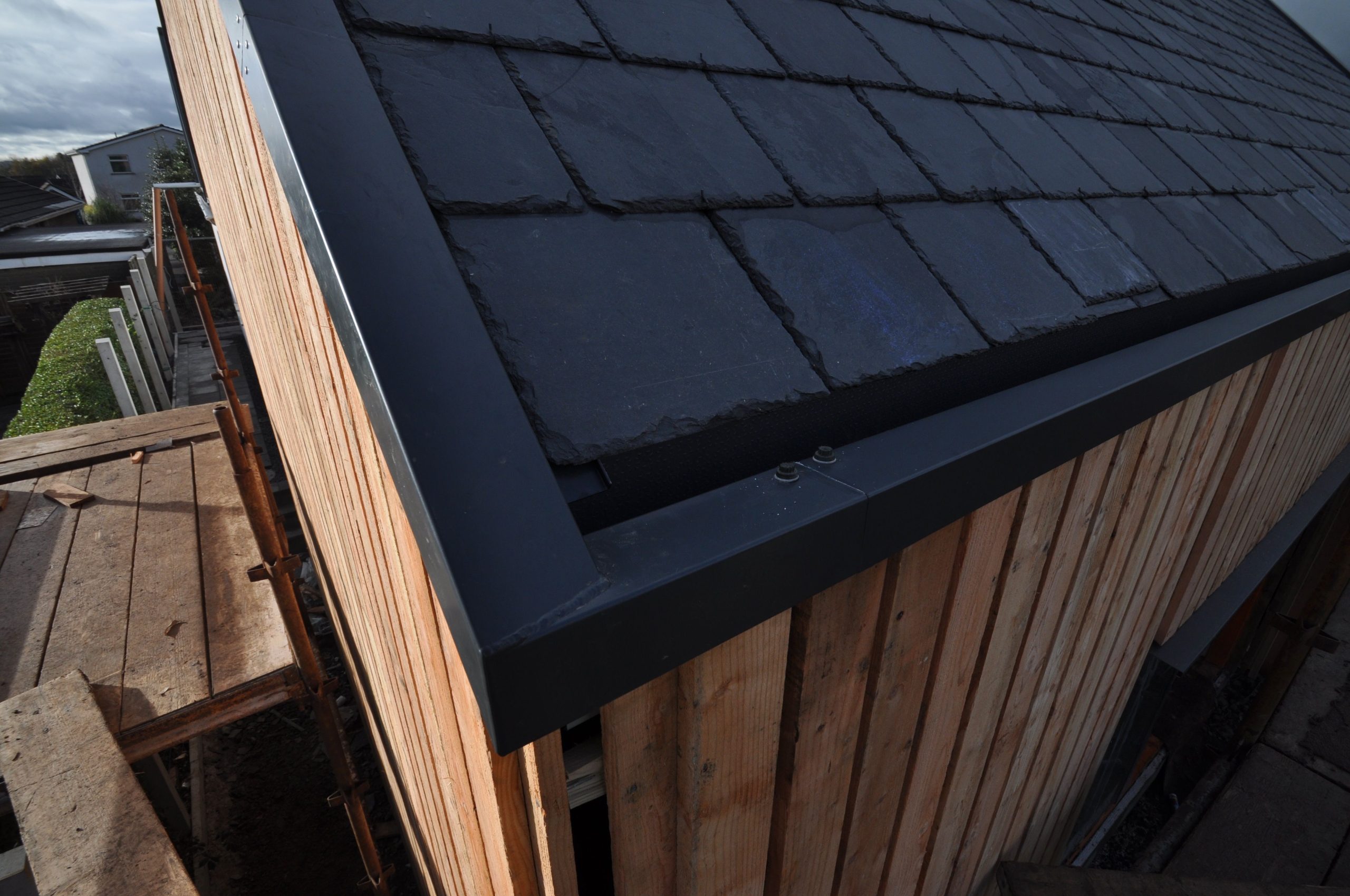
Gutters need a consistent fall toward each outlet so water drains instead of ponding. On long runs or in leaf-heavy areas, set a slightly steeper fall and consider extra outlets to shorten the travel distance. Use a string line or laser to confirm the gradient during installation. Water that sits still speeds up corrosion and can lead to sag, leaks and mould on the fascia.
Set out and verify fall
Mark high and low points: Establish the start level and the outlet level before fixing brackets.
Keep the grade continuous: Maintain fall past pops and corners, not just between brackets.
Recheck after movement: Verify fall after roof settling and during routine maintenance.
Plan for debris: In leaf-litter areas, increase the gradient slightly and add outlets or leaf guards. Book a Pressure Cleaning service so the gutters stay clear and the design fall works.
Watch for symptoms: Ponding, rust bands and stained fascia boards signal inadequate fall or blockages that need attention.
What are gutter guards and do they help with Australian leaf litter?
Gutter guards reduce debris entry and maintenance but they do not replace correct sizing or periodic cleaning. Choose mesh aperture to match local trees so the system can collect rainwater while shedding leaves. Ensure guards do not obstruct designed overflow paths and that slotted faces still function as intended.
Guard tips
- Pick mesh that suits the dominant leaf type and needles in your suburb.
- Keep slots, weirs and rainhead overflows unobstructed.
- Inspect after storms and at the start of peak leaf drop.
What is the basic anatomy of a gutter system?
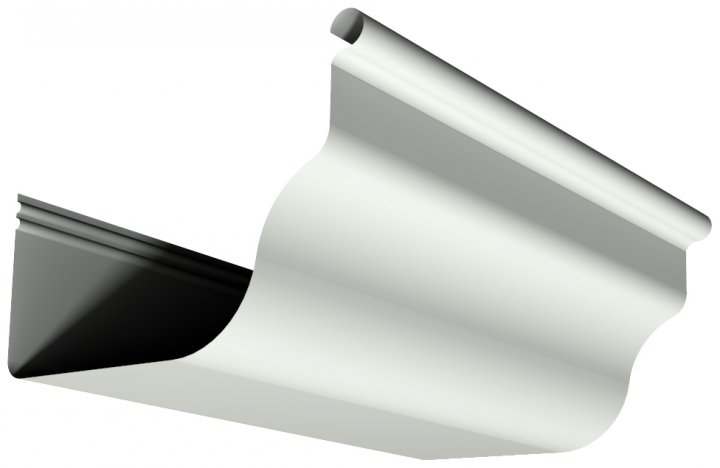
A complete gutter system includes the gutter lengths, mitres, stop ends, outlets and pops, downpipes, spreaders, brackets and expansion joints. Box gutters often discharge to rainheads and sumps before water drops into downpipes. Use sealants and fasteners that are compatible with the parent metal to avoid galvanic corrosion. Space external brackets so they support loads from wind, water and ladder access. On historic homes, match the original profile and bracket style to preserve character while improving performance.
For upgrades that keep the roof watertight, see Roof Restoration.
Parts checklist
- Linear components: Straight lengths with internal and external corners and fitted stop ends.
- Water transfer: Pops, outlets, downpipes, spreaders, and, for box gutters, rainheads and sumps sized to the catchment.
- Support and movement: Brackets set to the manufacturer’s spacing, with expansion joints where required.
- Compatibility: Sealants, rivets and screws matched to the gutter material to prevent corrosion.
- Overflow and access: Consider overflow provisions and safe ladder bearing points at bracketed sections.
What basic code checks apply to gutters and downpipes
The National Construction Code and local plumbing rules set minimum capacities, overflow provisions and material requirements, and reference Australian Standards for testing and installation. Systems must be sized to local design rainfall and roof catchment and must discharge to a lawful outfall. Concealed systems such as box gutters require both primary and emergency overflow paths that discharge externally and visibly.
Compliance checklist
- Calculate catchment area to each outlet and use supplier capacity charts.
- Provide visible external overflow where required by code.
- Confirm compatible materials, fixings and guards for the exposure category.

Conclusion
Selecting eaves gutters or box gutters for Australian conditions means matching guttering profiles to rainfall intensity, roof geometry, and materials that can handle sun, salt and storm events for years. For many homes, fascia gutters or half round profiles in Colorbond steel offer a tidy, corrosion resistant result that suits modern and traditional facades. Quad gutter remains a safe choice for heritage streetscapes and major renovations, while internal systems with rainheads and sumps should be reserved for roof layouts that truly need concealed drainage.
Whatever you choose, size from charts rather than profile names, set consistent fall, add the right number of outlets, and keep gutters regularly maintained so the system continues to direct rainwater away from your building safely and reliably.

Adam has 28 years of roof tiling and restoration experience, he has been running Fremantle Roofing Services since its inception and is still trying to improve the business and its reputation. Adam has worked on everything, Often a little grumpy before 10 am but otherwise always happy to discuss the job and explain exactly what’s going right or wrong with your roof.





Leave A Comment