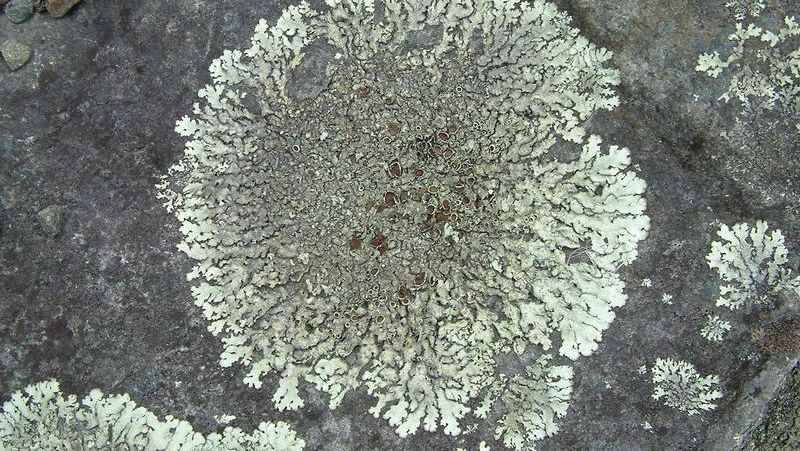
Lichen growth is common on Perth roofs and it will not clear by itself. Lichen on roof tiles can affect the house if not addressed. The safest method to remove lichen from roof tiles is a soft-wash with a roof-safe biocide, controlled dwell time, and a low-pressure rinse, as this method helps avoid damaging the tiles. Avoid acids and avoid aggressive pressure cleaning that can damage tiles and force water under laps. For the best results, consider calling in roofing specialists who can remove lichen quickly and safely.
What Is Lichen And Why It Grows On Roofs
Lichen is a unique organism formed by a symbiotic relationship between fungi and algae or cyanobacteria. Lichen thrives in moist, shaded environments and anchors to rough surfaces such as concrete and terracotta tiles. Shade from overhanging branches, high humidity in winter and debris that traps moisture all help lichen and other growths establish and spread across roofs, gutters and flashings. In eco-friendly options, a gentler solution using one part distilled white vinegar with one part water can be effective for very mild, new growth.
Is Lichen On Roof Tiles Damaging
Yes. Lichen traps moisture against the tile surface and pointing, which accelerates staining, causes deterioration of roofing materials, weakens finishes and can shorten roof life. It can penetrate and break down the surface of porous materials, add weight along with wet debris, block gutters and increase leak risk. In colder inland areas, absorbed moisture can freeze and expand, which can lead to cracks and further damage. Clear all loose debris from the roof’s surface before applying a cleaning solution. Left unchecked, lichen can lead to long term damage and costly repairs. It harms curb appeal and may reduce property value. Once the lichen has been killed, it will break down and be washed away by rain over a 3 to 12 month period.
What Kills Lichen On Roof Tiles
These are effective methods for removing lichen as part of roof cleaning.
Roof-safe chemical treatments are the most reliable way to kill lichen and ensure thorough removal. Products containing sodium hypochlorite or other biodegradable agents are designed to kill lichen at the root and sterilize the surface.
- Sodium Hypochlorite Soft-Wash kills heavy growth quickly and is a common method for removing lichen during professional roof cleaning. Apply at label dilution, keep the surface wet for 10 to 15 minutes, then rinse on low pressure. A regular garden hose with a spray nozzle can be used to rinse away softened lichen after a chemical treatment.
- Quaternary Ammonium Compounds such as benzalkonium chloride act more slowly and often leave a residual “bio shield” that delays regrowth, making them effective for long-lasting roof cleaning results. Apply at label rate and leave on unless the label requires rinsing.
- Sodium Percarbonate (oxygen bleach) is a gentler option for light to moderate growth and is suitable for roof cleaning when removing lichen from delicate tiles. Mix per label, allow 20 to 30 minutes dwell, agitate lightly if needed, then rinse. Structurally, it is important to follow the manufacturer’s instructions to dilute the cleaner properly before application.
Never mix bleach and vinegar because the combination releases toxic chlorine gas. Follow the manufacturer’s instructions for any cleaner and wear gloves, eye protection and non-slip footwear.
Note on “vinegar”: Some guides suggest diluted white vinegar for very mild, new growth. It can kill surface biofilm, but it is acidic and not recommended for roof substrates or mortar. Avoid on roofs to prevent collateral damage.
How To Remove Lichen From Roof Tiles Step By Step
This section will walk you through the job of removing lichen from roof tiles.
- Set Safety And Access
Wear non-slip footwear, gloves and goggles. Use fall protection where required. Do not work alone or in wet or windy conditions. - Protect Gutters And Gardens
Block or bag downpipes. Pre-wet plants and mulch to dilute runoff and keep pets and people away until rinsing is complete. - Clear Loose Debris
Gently remove leaves, twigs and carefully remove moss clumps from tiles and valleys to avoid damaging the tiles. Clean gutters so water drains freely. - Choose One Chemistry And Mix To Label Rate
Select hypochlorite for heavy growth, quats for residual control or percarbonate for a gentler clean. Do not mix products. - Apply From Peak Toward Gutters
Use a low-pressure sprayer to saturate lichen, overlapping passes and treating tile noses, ridge capping and shaded areas. Apply on a cool, overcast day so the solution does not evaporate too quickly. Always work from the roof’s peak toward the gutters to prevent water from seeping under the tiles. - Hold The Full Dwell Time
Keep the surface wet for the stated window. Re-mist drying patches to maintain contact so the active penetrates. - Agitate Only If Needed
Use a soft brush on stubborn white crusts. Avoid wire brushes and avoid scouring terracotta glaze to avoid damaging the tiles. - Rinse On Low Pressure Or With A Hose
Rinse down-slope with a garden hose or very low pressure. Never drive water up under tiles. Reconnect downpipes and flush gutters. - Allow Weathering And Spot-Treat
Once killed, lichen breaks down and can be washed away by rain over 3 to 12 months. Spot-treat persistent patches and recheck after the next rain cycle.
Lichen On Terracotta And Metal Roofs
Terracotta can be brittle and often glazed, so avoid high pressure and aggressive scrubbing. Rely on chemistry and soft agitation, and inspect ridge capping and pointing for repairs. Restoration may be necessary for aged or damaged tiles to rejuvenate their appearance and extend their lifespan.
Colorbond And Other Metal Roofs require protection of painted coatings, adherence to label dwell times and thorough rinsing to prevent residue marks. Choosing appropriate roofing materials is important for lichen resistance and long-term durability.
Lichen can also affect shingle roofs, as lichens may penetrate and weaken shingle surfaces, compromising the roof’s integrity and longevity.
How To Stop Lichen Growing On Roof
Here are a few tips for roof maintenance and prevention to help you protect your investment and prevent lichen growth:
- Trim Overhanging Branches to clear 1 to 2 metres above roof lines and improve light and airflow.
- Gutter Cleaning every 6 to 12 months to remove debris that can retain moisture and promote lichen growth.
- Apply A Residual Biocide every 12 to 24 months, focusing on shaded aspects under trees. Many commercial cleaners leave a protective layer that delays regrowth and helps prevent lichen from returning over extended periods.
- Regular Roof Inspections help catch early growth, leaks, cracked tiles and blocked outlets before they escalate.
- Remove Roof Debris after storms so the roof remains dry and in excellent condition.
- Waterproof Sealants can add a protective barrier on suitable tiles after cleaning. Regular roof maintenance is the best way to keep lichen at bay.
By following these tips and practicing regular maintenance, you can extend the lifespan of your roof and keep it in excellent condition.
DO NOT MIX BLEACH AND VINEGAR
WARNING: DO NOT MIX BLEACH WITH VINEGAR! COMBINING THESE SUBSTANCES CAN PRODUCE DANGEROUS CHLORINE GAS, WHICH IS TOXIC AND CAN CAUSE SERIOUS HEALTH ISSUES INCLUDING RESPIRATORY PROBLEMS, EYE AND SKIN IRRITATION, AND EVEN DEATH IN SEVERE CASES.
ALWAYS USE CLEANING PRODUCTS AS DIRECTED AND IN WELL-VENTILATED AREAS. WEAR PROTECTIVE GEAR SUCH AS GLOVES AND EYE PROTECTION WHEN HANDLING BLEACH OR OTHER CHEMICALS.
Frequently Asked Questions
When To Call A Professional
Professional roof cleaning and professional help are recommended for steep or multi-storey roofs, heavy infestations, brittle tiles, difficult access, or when warranties and safety standards apply. Many homeowners opt for professional cleaning to avoid the hazards associated with working at heights. Professionals have the equipment, methods, and biocides to remove lichen without damaging your roof, helping to prolong roof lifespan and improve appearance.
Restore the colour, integrity and value of your roof with a safe, professional clean. Fremantle Roofing Services removes lichen with roof-safe methods, protects gardens and gutters and inspects for repairs before problems become leaks. For fast quotes across Perth, call Fremantle Roofing Services or book your free roof assessment today.

Adam has 28 years of roof tiling and restoration experience, he has been running Fremantle Roofing Services since its inception and is still trying to improve the business and its reputation. Adam has worked on everything, Often a little grumpy before 10 am but otherwise always happy to discuss the job and explain exactly what’s going right or wrong with your roof.