Terracotta ridge capping seals the roof’s peak against weather, improves thermal comfort, and finishes the ridge line cleanly to lift street appeal and perceived property value. In Australia, where storms, sweltering temperatures, and harsh weather conditions are common, terracotta ridge capping is especially suited to protect homes and maintain durability. Compared to other roofing options, a key benefit of terracotta ridge capping is its ability to withstand these challenging conditions while providing long-lasting protection. On Perth homes, it is one of the simplest ways to keep water out, pests away, and the whole roof looking consistent for decades. Terracotta ridge capping offers many benefits, including durability, aesthetic appeal, and increased property value, making it a smart investment for homeowners.
Why Ridge Capping Is Important
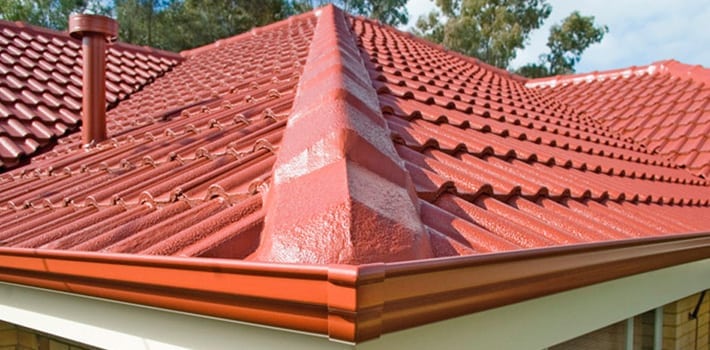
Ridge capping protects the joint at the highest point of the roof where the two slopes or sides meet, creating a reliable, watertight seal that stops wind-driven rain from tracking into the roof cavity. Ridges are critical areas in roofing systems, as they cover the roof’s peak and ensure that the junction where the two slopes meet is protected from water ingress and potential damage.
- Directs heavy rain away from ridge joints to prevent leaks
- Blocks pest entry at the roof’s peak
- Finishes the ridge line for a clean, cohesive appearance
Repairing Ridge Capping
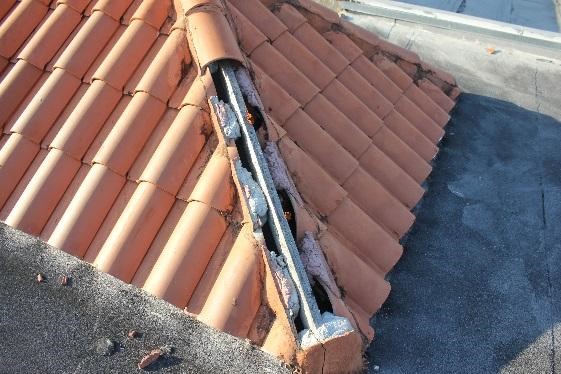
Repairs focus on restoring the seal before moisture reaches insulation or plasterboard. A roofer will assess visible cracks or recessed pointing, loose or rocking ridge caps, and any damaged tiles or broken tiles that could channel water inside. Timely repairs are crucial because small cracks often widen with natural weathering, leading to costly interior damage if ignored. Addressing cracks early helps prevent costly repairs and water damage, especially to areas like the ceiling where water stains are commonly seen. Moss or algae along the ridge usually signals trapped moisture from damaged mortar or tiles and should trigger an inspection. Regular attention to these issues results in fewer repairs over time.
Is Ridge Capping Energy Efficient
Ridge capping contributes to energy efficiency by removing air gaps at the apex that otherwise let hot or cold air move freely. Terracotta helps further because its natural insulating properties and thermal mass moderate heat flow, keeping interiors cooler in summer and steadier on cool nights. Where a ventilated ridge detail is used, warm and moist air can escape at the peak so heat and humidity do not build up in the roof cavity.
Ridge Capping In The Dry Fixed Roofing System
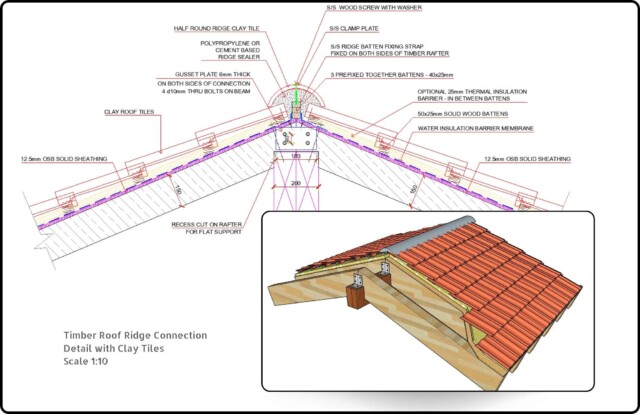
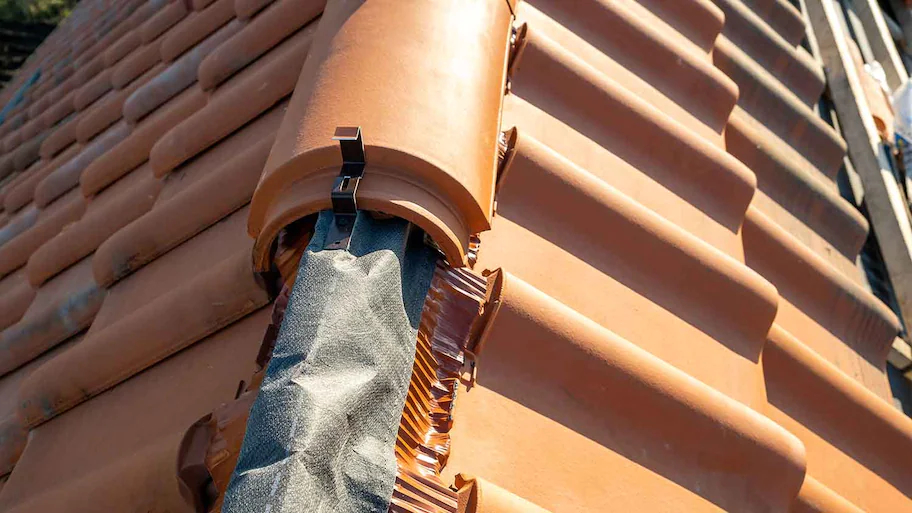
A dry fixed roofing system uses mechanical clips and a ventilating ridge flashing to secure the caps and allow controlled airflow, rather than relying only on wet mortar. Air enters through eaves vents, travels beneath the tiles, and exits at the ridge, providing passive cooling and enhanced ventilation for the entire roof. This helps reduce heat and moisture throughout the roof space. The mechanical restraint keeps caps secure, while compatible flexible pointing is used for the weather seal. For many Perth roofs this design offers easier maintenance and fewer hairline cracks caused by day-night temperature swings.
Installing or maintaining a dry fixed roofing system involves several steps to ensure quality and durability.
Performance In Heavy Rain, Strong Winds And UV
Terracotta ridge capping performs well in harsh conditions when bedding and pointing are correctly installed. It protects the roof and its components from the elements, including rain, wind, and sun, ensuring durability and performance over time. In heavy rain it sheds water into adjoining tiles and resists capillary tracking. In strong winds it limits uplift and rattling at the most exposed line on the roof, especially when mechanical clips are included. Properly sealed ridge caps prevent water ingress, protect joints, and extend the lifespan of the roof by minimizing moisture penetration. Fired terracotta is impervious to common air and waterborne pollutants, holds colour extremely well under UV rays, and does not rust or corrode, which makes it a sound option for coastal suburbs.
Aesthetic Appeal And Eco Friendly Options
One reason homeowners choose terracotta is the finish, as terracotta ridge capping can significantly enhance the home’s appearance. Ridge caps come in numerous colours, profiles and surface treatments, so the ridge line matches or complements existing terracotta tiles for a cohesive look. Terracotta tiles are available in numerous colors, profiles, and finishes, enhancing architectural diversity. Terracotta is made from naturally occurring clay, which makes it an eco-friendly material with a long service life, and a neat, uniform ridge line signals good maintenance that supports curb appeal and perceived value.
Flexible Pointing Versus Mortar
Both materials are used, but for different roles. Mortar provides the solid base that supports the ridge tiles and keeps them level. Roofing cement is sometimes used as an alternative to mortar for securing and sealing ridge caps, especially to enhance waterproofing. Ridge caps are typically made of metal or shingles. Flexible acrylic pointing is applied over the edges to create the weather seal, with sealing being a key function that tolerates minor movement as tiles expand and contract. Using flexible pointing reduces hairline cracking and keeps the ridge watertight for longer. Where the original bed has deteriorated, a proper re-bedding on fresh mortar followed by flexible repointing is the durable fix. If the bed is sound, repointing alone can renew the seal and prevent water ingress. A properly sealed ridge line is essential for long-term protection against water infiltration and weather damage.
How To Spot Issues Early
Maintaining ridge capping is crucial, as most problems are visible if you know where to look. From the ground, scan the ridge for uneven lines, open joins, or missing sections of pointing. Check gutters for sand-like crumbs that indicate mortar is breaking down. Inside, look for water stains on ceilings after rain or damp insulation in the roof cavity. Terracotta tiles can develop issues such as moss, lichen, and algae growth, which can damage the tiles if untreated.
Regular maintenance, including routine inspections and upkeep, helps prevent issues before they become major problems and extends the lifespan of your roof.
Early action keeps repairs small and avoids follow-on damage to ceilings and walls. A professional can also help assess your specific roofing needs to ensure your roof remains in top condition.
Roof Restoration And Repointing Essentials
Terracotta ridge capping is central to a full roof restoration because it controls water at the highest, most exposed joint. Compared to other roofing materials, restoring terracotta ridge capping is especially important due to its unique durability and maintenance needs.
A typical terracotta restoration includes a careful clean to remove fungus, moss and algae, replacement of broken or loose tiles, re-bedding where the mortar support has failed, and repointing with flexible materials to re-establish a watertight seal. Cleaning is the first step in the terracotta roof restoration process to remove fungus and algae. Selecting appropriate roofing materials for these repairs is crucial to ensure longevity and safety. Many owners also apply a protective glazing or coating to freshen appearance. Repointing renews the external mortar between ridge caps and roof tiles, while re-bedding ensures the caps sit level and secure. Done together and on time, these steps maintain waterproofing and the roof’s structural integrity.
Choosing The Right Ridge Cap
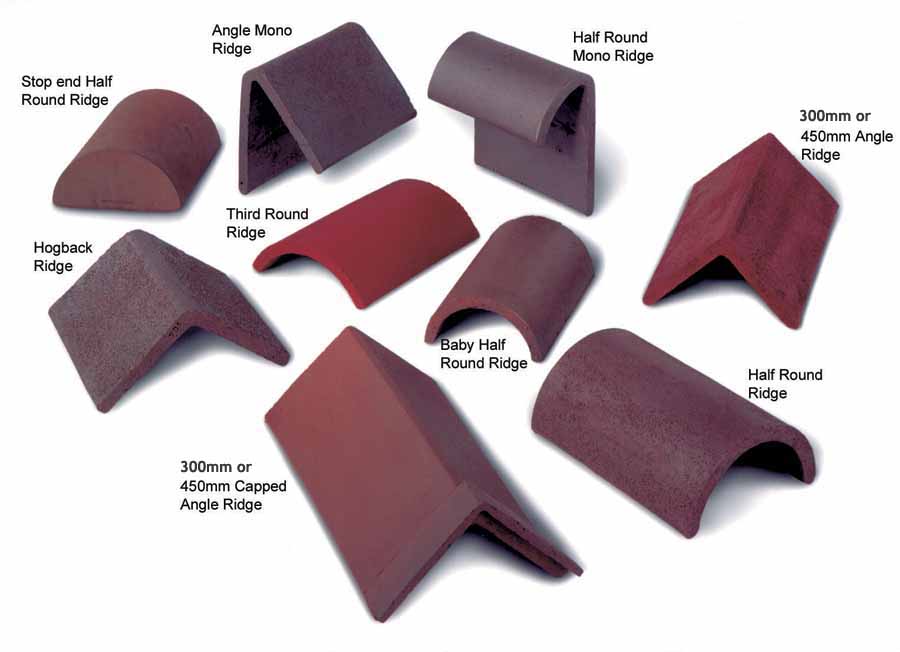
Selection should match the home’s architectural style and the roof tile profile so the ridge looks like it belongs. Durability and weather resistance matter, particularly for coastal conditions. Proper installation by an experienced roofer is essential because even quality materials fail if the bed and seal are not done correctly. Using secure ridge caps, installed with appropriate mechanical fasteners or mortar, is crucial for long-term performance and enhanced roof durability during storms. Routine checks for cracks or wear keep performance on track, and if energy efficiency is a priority, ask whether a ventilated or dry fixed ridge detail suits your roof.
Maintenance, Lifespan And Longevity
Simple routines extend service life. Inspect after major weather and at least once a year for cracks, gaps or movement. Schedule a broader professional roof maintenance inspection every 10 to 15 years to assess the ridge, valleys and flashings together. Replace broken tiles quickly so pointing edges stay protected and do not fail prematurely. Flexible pointing commonly serves 10 to 15 years in typical residential use, and manufactured terracotta ridge caps often last 50 to 75 years, with many installations reaching 50 to 100 years when installed and cared for properly. Terracotta is also non-combustible, which is a useful safety characteristic in bushfire-prone areas.
Typical Costs And Timelines In Perth
Costs depend on roof size, access and how much re-bedding is needed. As a planning guide, repointing only is often priced per metre, with many homes having 40 to 80 metres of ridge to treat. Re-bedding plus repointing a standard single-storey home commonly totals in the low thousands, while larger or two-storey properties cost more due to extra metres and access time. Repoint-only jobs are often completed in half a day, while re-bed plus repoint typically takes one to two days. A good quote will include photos, materials used and a note on any broken tiles replaced.
FAQs
Book An Inspection With Fremantle Roofing Services
Book a roof inspection with Fremantle Roofing Services to assess ridge caps, bedding and flexible pointing and to receive a photo-documented quote tailored to your home. Our licensed Perth team replaces broken tiles, restores damaged ridge capping and installs quality materials that protect against heavy rain, strong winds and UV. Contact us today to keep your terracotta roof in top shape and safeguard your home for the long run.

Adam has 28 years of roof tiling and restoration experience, he has been running Fremantle Roofing Services since its inception and is still trying to improve the business and its reputation. Adam has worked on everything, Often a little grumpy before 10 am but otherwise always happy to discuss the job and explain exactly what’s going right or wrong with your roof.